
Vape Juice: A Comprehensive Guide to Flavors, Types, and Best Practices
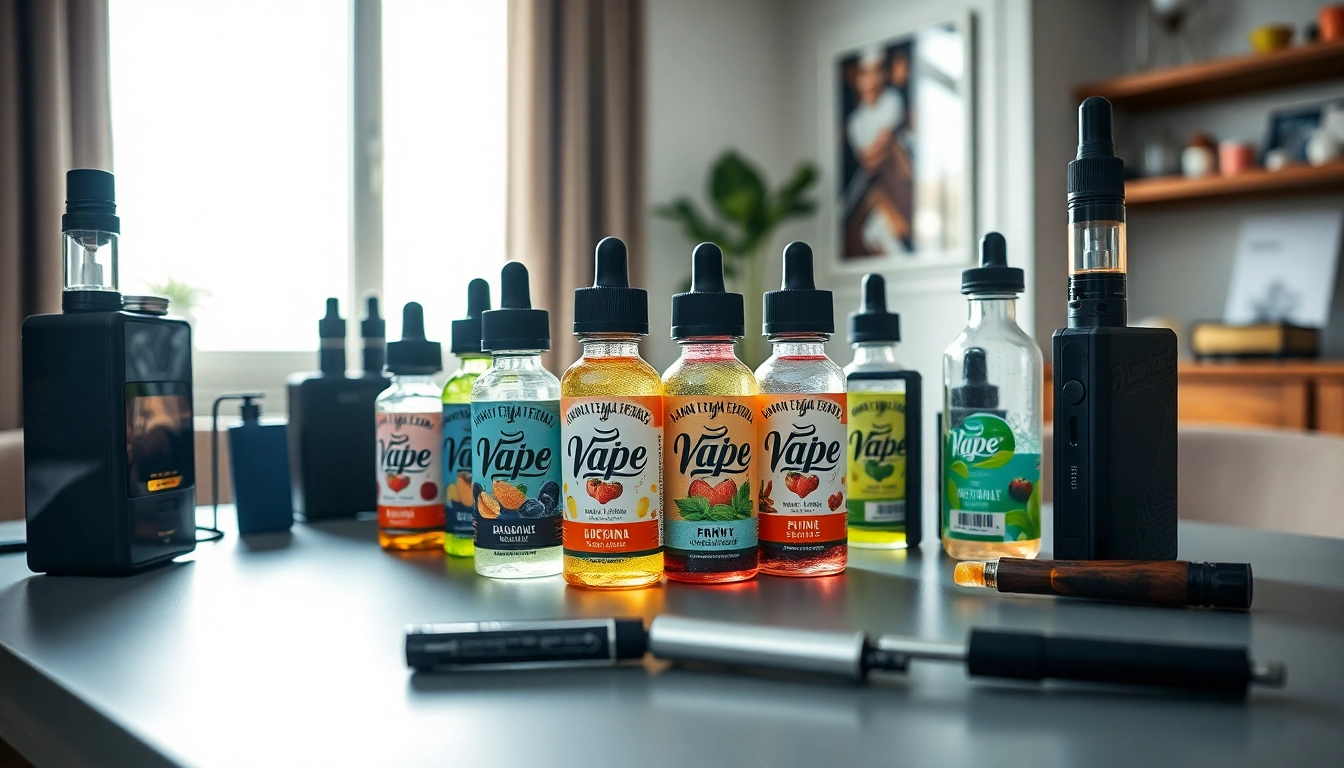
Understanding Vape Juice
What is Vape Juice?
Vape juice, commonly referred to as e-liquid or e-juice, is the fluid used in vape devices that produces vapor when heated. This substance is integral to the vaping experience, offering a variety of flavors, nicotine levels, and compositions. Unlike traditional smoking, where harmful tar and toxins are inhaled, vape juice contains a different set of ingredients designed for vaporization. Many individuals choose Vape Juice for its wide array of flavor profiles and customizable nicotine content, making it appealing to both novice and experienced vapers alike.
Key Ingredients of Vape Juice
The primary ingredients of vape juice include propylene glycol (PG), vegetable glycerin (VG), flavorings, and nicotine (if desired). PG is a colorless liquid that enhances flavor absorption and produces a throat hit similar to traditional tobacco. VG, on the other hand, is slightly sweet and thicker, providing vapor clouds. Flavorings range from fruity to dessert-inspired, allowing vapers to select their preferred tastes. Nicotine is an optional component, available in varying concentrations or omitted for nicotine-free options.
How Vape Juice is Manufactured
The manufacturing process of vape juice typically involves several stages, including formulation, mixing, steeping, and bottling. First, the desired flavor profiles are developed through careful selection and blending of ingredients. Next, these components are mixed in specific ratios, depending on the intended flavor and nicotine strength. After mixing, steeping may occur to enhance flavor development, similar to aging wine. Finally, the vape juice is bottled and labeled for sale or distribution, ensuring quality control and safety standards are met.
The Different Types of Vape Juice
Nicotine vs. Nicotine-Free Vape Juice
There are two main categories of vape juice: nicotine and nicotine-free options. Nicotine vape juice contains varying concentrations of nicotine, catering to users who wish to replicate the throat hit associated with smoking. This allows smokers transitioning to vaping to gradually decrease their nicotine intake over time. Conversely, nicotine-free vape juice offers a choice for individuals who enjoy the act of vaping without nicotine’s addictive properties, making it suitable for casual users or those who have quit smoking.
Salt Nicotine and Traditional Nicotine
Salt nicotine is a newer formulation that mimics the naturally occurring nicotine in tobacco leaves. It allows for higher nicotine concentrations without the harsh throat hit associated with high levels of traditional freebase nicotine. This means users can achieve their desired nicotine intake more smoothly. Traditional nicotine, commonly used in standard vape juices, is typically found in lower concentrations and is more suited to sub-ohm devices, delivering a different vaping experience. Understanding these differences helps users select products that align with their vaping preferences.
Flavor Variants in Vape Juice
Flavor variants in vape juice are vast and varied, catering to diverse taste preferences. Common categories include fruity, dessert, menthol, candy, and beverage flavors. Many manufacturers also experiment with gourmet blends, combining several flavor profiles into one unique offering. The flavor experience can significantly affect the overall satisfaction of vapers. Users often enjoy rotating through different flavors, creating a dynamic and engaging vaping experience. The explosion of creative flavors signifies the growing trend within the vaping industry, appealing to a broad audience.
Selecting the Right Vape Juice
Factors to Consider
When choosing the right vape juice, users should consider several critical factors. These include flavor preference, nicotine levels, and PG/VG ratios. Individuals new to vaping might start with moderate nicotine levels and a balanced PG/VG mix for a smoother experience. Moreover, availability and reviews can help narrow down choices. It is also essential to ensure that the chosen vape juice meets safety and quality standards, as regulatory policies can vary by region.
How to Taste Test Vape Juice
Tasting vape juice before purchase is an effective way to find your preferred flavor. Many retailers offer sample stations where users can sample different e-liquids. When tasting, it is advisable to use a clean device or a clean cotton wick to avoid flavor contamination. Start with small puffs to gauge the flavor’s intensity and throat hit. Additionally, allow the vape juice to settle in the tank for a brief period to develop its full flavor profile.
Common Mistakes to Avoid
Common mistakes when selecting vape juice include overlooking PG/VG ratios, ignoring expiration dates, and failing to read product labels. First-time users often underestimate the importance of PG/VG ratios, which can affect vapor production and overall vaping experience. Moreover, vape juice can spoil, particularly if not stored correctly. To enhance flavor and safety, ensure products are used within their shelf life and stored in cool, dark environments.
Vaping Techniques for Optimal Flavor
Best Practices for Using Vape Juice
To achieve optimal flavor from vape juice, users should adopt best practices, including the correct device setup and maintenance. Regularly cleaning your vape device ensures that residue does not interfere with vapor quality. Pairing the right coil and wattage with the vape juice can significantly enhance flavor. Starter kits come with suggested wattage settings, but users should experiment within recommended ranges for the best results.
Adjusting Wattage and Temperature
Adjusting wattage and temperature settings is crucial to maximizing flavor and vapor production in vaping devices. Generally, lower temperatures produce smoother vapor and enhance flavor retention, while higher wattages generate more significant vapor clouds. Learning to adjust these settings based on the specific vape juice used can greatly influence the overall vaping experience. Experimenting within the device’s range can help users find the sweet spot for flavor and vapor quality.
Identifying Your Preferred Vaping Style
Identifying your preferred vaping style can significantly influence your choice of vape juice and device. Vapers generally fall into two categories: mouth-to-lung (MTL) and direct-to-lung (DTL). MTL vapers often prefer higher nicotine concentrations and throat hits typical of traditional smoking. In contrast, DTL enthusiasts favor lower nicotine levels and enjoy larger vapor clouds. Understanding personal preferences helps guide users toward the right vape juice and device combination, enhancing the overall experience.
Storing and Maintaining Vape Juice
Proper Storage Techniques
Proper storage of vape juice is essential for maintaining its quality and longevity. Vape juice should be stored in a cool, dark place, away from direct sunlight and extreme temperatures. Ideally, it should be kept in a sealed bottle to prevent air exposure, which can degrade flavors and nicotine potency over time. Users should also avoid storing vape juice in vehicles, as temperature fluctuations can adversely affect the product.
Identifying Signs of Spoilage
Identifying signs of spoilage is crucial for ensuring safety when using vape juice. Over time, vape juice may change color, develop a strong, unpleasant odor, or separate into layers. If you notice a change in flavor or consistency, it is best to discard the product. Additionally, an unusual bitterness or staleness can indicate that the e-liquid has expired or spoiled. Regularly checking vape juice can prevent unpleasant experiences during use.
Maintenance Tips for Vape Devices
Proper maintenance of vape devices contributes significantly to the vaping experience. Regular cleaning of components, such as the tank and mouthpiece, ensures optimal flavor delivery. It’s also essential to replace coils periodically, as they can wear out and lose their ability to produce quality vapor. Finally, users should be aware of their devices’ overall performance and look for signs of malfunction or degradation, replacing parts as necessary to ensure safe and pleasurable vaping.
Frequently Asked Questions
Can I vape with emphysema?
Vaping is not recommended for individuals with emphysema or other serious lung conditions. It’s essential to consult with a healthcare professional regarding any respiratory issues or concerns related to vaping.
Are vapes safe for celiacs?
Most disposable vapes and e-liquids are gluten-free, making them generally safe for celiacs. However, checking product labels for ingredients is always advisable for those with dietary restrictions.
How do I know what nicotine level to choose?
Selecting the right nicotine level depends on your smoking history and preference. New users or those transitioning from smoking may opt for higher levels initially and gradually decrease over time.
Can I store vape juice in the refrigerator?
Storing vape juice in a refrigerator is not recommended, as the cold can affect the viscosity and flavor of the e-liquid. A cool, dark cupboard is typically the best option for storage.
What should I do if my vape juice changes color?
Changing color in vape juice can indicate spoilage or oxidation. If you notice significant changes in color, consistency, or flavor, it is safest to discard the juice.