Revolutionary Image to Prompt AI: Create Stunning Art in 2026
Understanding Image to Prompt AI
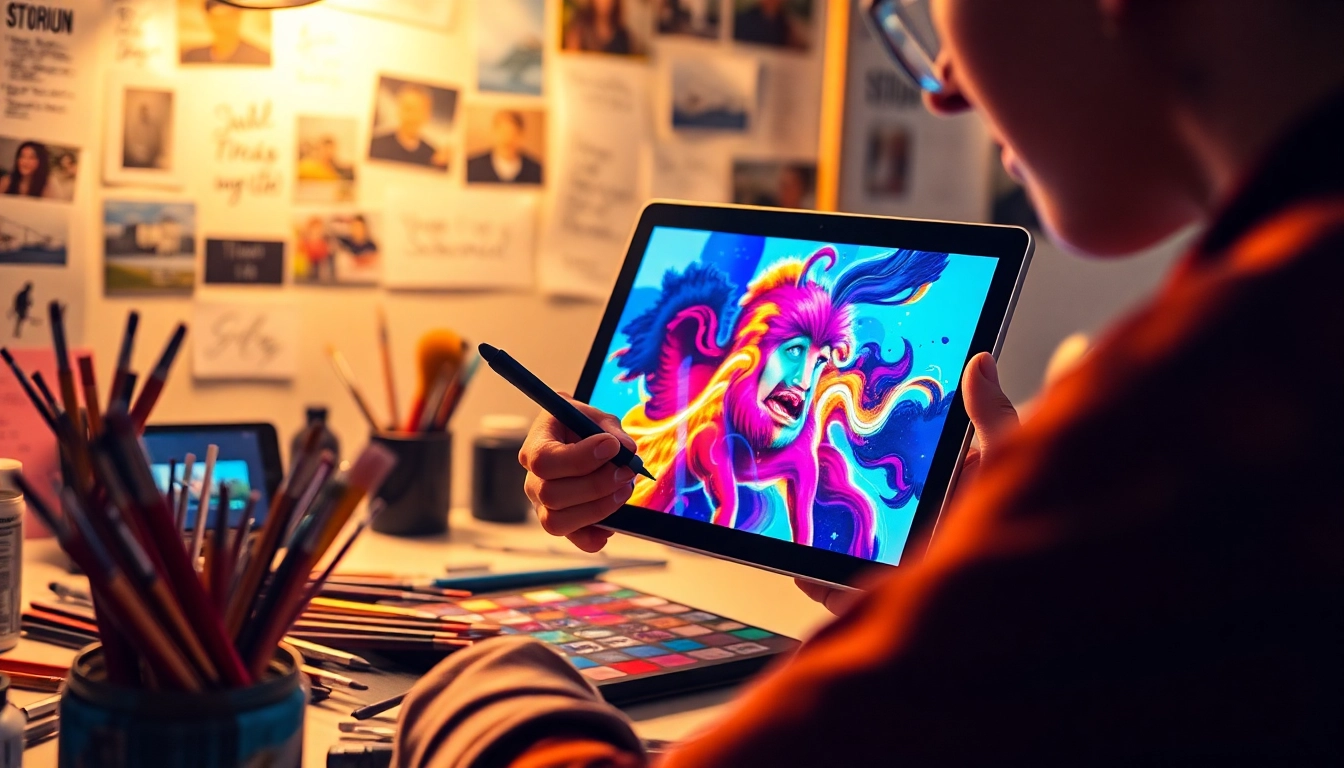
In the ever-evolving landscape of artificial intelligence, the ability to convert visual data into actionable text prompts has revolutionized creative processes. This innovation is encapsulated in the concept of the image to prompt AI tool, which allows users to upload images and receive detailed textual descriptions. By transforming visual elements into structured prompts, this technology enables artists, designers, and content creators to harness the power of AI image generators effectively. With platforms like image to prompt ai, the potential to create stunning artwork from mere photographs has never been more accessible.
What is an Image to Prompt Tool?
An image to prompt tool is an advanced AI application that analyzes uploaded images and generates corresponding text prompts. This process involves breaking down the visual content into understandable elements, such as subjects, environments, styles, and moods. By converting these aspects into articulated descriptions, users can feed them into AI image generators like Midjourney, Stable Diffusion, and others, which then produce images based on the provided prompts. This seamless integration of visual input and textual output significantly enhances creative workflows across various industries.
The Technology Behind AI Prompt Generation
At the heart of image to prompt generation lies a combination of computer vision and natural language processing (NLP) technologies. Computer vision enables the AI to interpret the visual features of an image, while NLP allows it to convert these features into coherent textual descriptions. These technologies work in tandem to ensure that the generated prompts reflect the nuances of the original images accurately. For instance, the AI identifies key elements like lighting, composition, and style, translating them into detailed narratives that AI models can understand and utilize effectively.
Benefits of Using Image to Prompt AI
- Enhanced Creativity: By leveraging AI to generate prompts, creators can explore new artistic directions and overcome creative blocks.
- Time Efficiency: The automated generation of prompts saves significant time, allowing artists to focus more on the creative aspects of their projects.
- Accessibility: With user-friendly interfaces, these tools democratize art creation, enabling individuals with limited artistic skills to produce high-quality content.
- Adaptability: The ability to customize prompts for different AI models leads to more tailored results, improving the overall quality of generated images.
How to Effectively Use Image to Prompt AI
Using an image to prompt AI tool effectively requires understanding the steps involved in generating prompts, as well as common pitfalls to avoid. By mastering these techniques, users can maximize the potential of AI in their creative endeavors.
Step-by-Step Guide to Generating AI Prompts
- Upload Your Image: Begin by selecting an image to analyze. Most tools allow for simple drag-and-drop functionality.
- Initiate Prompt Generation: Click the “Generate Prompt” button and wait for the AI to process the image.
- Review and Copy the Prompt: Once the prompt is generated, review it for accuracy and detail. You can make adjustments if necessary before copying it.
- Use with AI Generators: Feed the generated prompt into your chosen AI image generator to create your desired images.
Common Mistakes to Avoid with Image Prompts
While image to prompt tools are designed to simplify the prompt generation process, users can still fall prey to common mistakes. One of the most prevalent errors is neglecting to review the generated prompts for specificity. Sometimes, the AI may produce overly vague or generalized prompts that do not capture the essence of the image, leading to unsatisfactory results. Another mistake is using prompts without tailoring them to the specific AI model. Each platform may require different levels of detail or formatting, and failing to adapt can hinder the output quality.
Maximizing Your Results: Tips and Tricks
- Experiment with Multiple Images: Try uploading various images to see how the tool interprets different styles and subjects.
- Refine Generated Prompts: Don’t hesitate to tweak the generated prompts to add personal flair or specific details that enhance the final output.
- Learn Model Requirements: Familiarize yourself with the requirements of the AI models you’re using to ensure compatibility with generated prompts.
- Gather User Feedback: Share your generated images with others to gather insights on how well the prompts captured the intended vision.
Types of Prompts Generated by Image to Prompt AI
Understanding the types of prompts that an image to prompt AI can generate is crucial for achieving specific artistic goals. Different styles serve various purposes and can influence how AI interprets the input.
Structured vs. General Descriptions
Structured descriptions focus on specific details within an image, such as color schemes, lighting effects, and subject interactions. These prompts are typically more detailed and organized. In contrast, general descriptions may encapsulate the overall mood or theme without diving into finer details. Depending on the desired outcome, users can choose between these two styles to optimize their creative process.
Model-Specific Prompting: Tailoring for Different AI
One of the standout features of image to prompt AI tools is their ability to tailor prompts for different AI image generators. For example, the requirements for a prompt intended for Midjourney may differ significantly from those for Stable Diffusion. Understanding these nuances allows users to create more effective prompts that align with each model’s strengths, leading to better image outputs.
Exploring Variations in Prompt Styles
AI prompt generators can also produce variations of a single prompt, allowing users to explore different artistic interpretations. By analyzing the same image through different lenses—such as abstract, realistic, or impressionist—users can generate diverse outcomes that spark creativity and innovation.
Real-World Applications of Image to Prompt AI
The applications of image to prompt AI transcend mere artistic creation; they extend into various industries and sectors, showcasing versatility and utility.
Case Studies: Success Stories from Users
Numerous success stories have emerged from users leveraging image to prompt AI tools. For instance, a graphic designer faced with a creative block used the tool to generate prompts from mundane images, leading to the development of an entirely new branding concept that revitalized a client’s image. Similarly, an illustrator experimented with prompts to create a series of children’s book illustrations based solely on photographs of everyday objects, which resulted in a captivating narrative.
Creative Industries Benefiting from AI Prompts
Creative industries, including advertising, graphic design, and entertainment, have embraced image to prompt AI technologies. These tools enable professionals to speed up their workflow, generate fresh ideas, and enhance collaborative efforts. For example, advertising agencies use AI-generated prompts to brainstorm campaign concepts, while filmmakers may employ them to visualize scenes during the scripting phase.
How Businesses Leverage Image to Prompt AI
Businesses across sectors are increasingly integrating image to prompt AI into their operations. From e-commerce platforms utilizing AI to generate product descriptions from images to marketing teams crafting striking visual content from generated prompts, the tool fosters efficiency and innovation. By streamlining content creation, businesses can maintain a competitive edge in rapidly changing markets.
The Future of AI and Image Prompt Generation
As we look forward, the future of AI and image prompt generation holds exciting possibilities. Advances in AI technology will likely lead to even more sophisticated tools that can understand and interpret images with incredible accuracy.
Emerging Trends in AI Art and Technology
Trends such as generative art and collaborative AI are gaining traction, with creators increasingly combining human intuition with machine intelligence to produce unique works. AI is anticipated to evolve further, incorporating more complex contextual understanding and emotional recognition, making generated prompts even more nuanced.
Predictions for 2026 and Beyond
By 2026, we can expect enhanced interactivity in AI-generated content. Future image to prompt tools may incorporate real-time feedback mechanisms, allowing users to interactively refine prompts based on the outputs they receive. Additionally, integration with augmented reality (AR) and virtual reality (VR) platforms could enable users to visualize their prompts in immersive environments.
Challenges and Opportunities in the AI Landscape
While the potential for image to prompt AI is vast, challenges remain. Issues such as copyright, ethical considerations in art, and the need for accurate representation in generated content are significant concerns. However, these challenges also present opportunities for innovation, as developers work to create responsible AI solutions that respect creative rights and promote diversity in artistic expression.