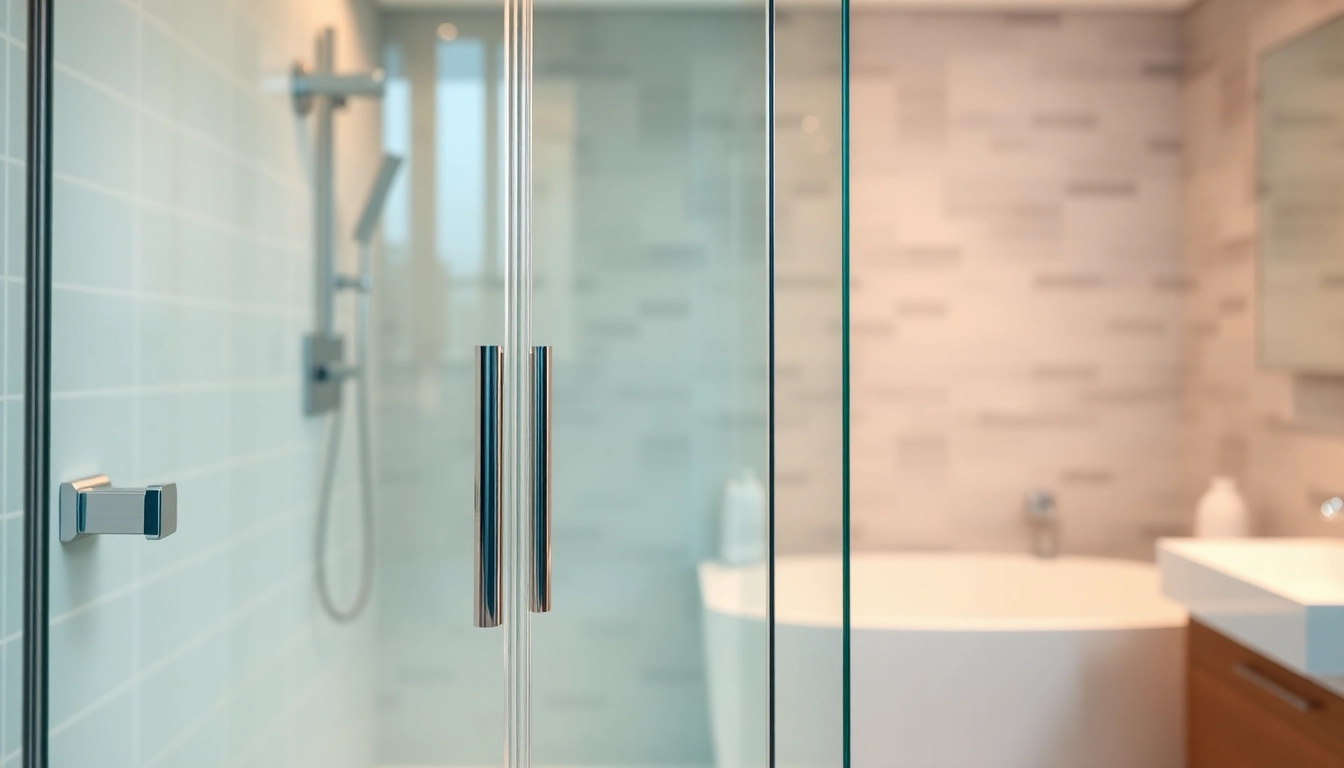
Understanding Shower Screen Door Types
Shower screen doors are essential fixtures in modern bathrooms, combining functionality with aesthetics to enhance the bathing experience. With a variety of options available, selecting the right shower screen door hinges on personal preference, space availability, and design considerations. This guide delves into the different types of shower screen doors, their unique benefits, and help you make informed decisions about the perfect addition to your bathroom setup.
Framed Shower Screen Door Options
Framed shower screen doors are characterized by a visible metal frame, which offers structural integrity and design versatility. This option is traditionally more common, lending itself to a myriad of styles and finishes, including chrome, brushed nickel, and even matte black. While they can be easy to clean, the frame might collect grime over time, requiring regular maintenance.
Let's break down some framed options:
- Bi-Fold Doors: These doors open inward, making them ideal for smaller spaces since they don't require additional room to swing outward.
- Sliding Doors: These panels glide on tracks, providing a modern aesthetic while saving space, thanks to their ability to stack against the wall.
- Hinged Doors: Often more traditional, they swing outward, offering a classic look and seamless entry.
Frameless Shower Screen Door Benefits
Frameless shower screen doors are designed without the support of a surrounding metal frame, providing a minimalist look that enhances the visual flow of the bathroom. Here are some remarkable benefits of choosing a frameless option:
- Enhanced Visual Appeal: The absence of a frame provides unobstructed views and makes the space appear larger.
- Easy Cleaning: With fewer crevices for mold and mildew to hide, maintenance is simpler and more effective.
- Customizable Sizes: These doors can be tailored to fit various shower enclosures, accommodating unique dimensions.
Sliding vs. Hinged Shower Screen Door
Choosing between sliding and hinged shower screen doors can significantly affect the functionality and style of your bathroom. Here’s a closer look at both:
Sliding Shower Screen Doors
Sliding doors operate on a track, allowing for easy access without the need for extra space when opening. Ideal for tight bathrooms, they are sleek and modern, complementing various design styles. However, they may require more maintenance to ensure the sliding mechanism does not become jammed or dirty.
Hinged Shower Screen Doors
Hinged doors are mounted on pivots and swing open like a traditional door. They are often perceived as sturdier and provide a more classic appearance. One downside is that they need extra space to swing open completely, which can be a limitation in smaller bathrooms.
Key Features of Shower Screen Doors
When selecting a shower screen door, it’s essential to consider various features that impact durability, safety, and aesthetics. Understanding these aspects can aid in making an informed choice that aligns with your bathroom layout and personal taste.
Material Choices for Shower Screen Doors
Shower screen doors are available in several materials, each with its unique attributes:
- Glass: The most common material, offering a clean, sophisticated look. Tempered glass is shatter-resistant, ensuring safety.
- Acrylic: A lighter, more budget-friendly option. It can be less durable than glass but provides various design choices.
- Polycarbonate: Highly durable and resistant to impact, making it ideal for households with children.
Design Considerations for Your Shower Screen Door
The design of your shower screen door can greatly influence the bathroom's overall aesthetic. Here are key factors to consider:
- Style: Choose a design that complements your bathroom's theme. For instance, minimalist designs suit contemporary styles while ornate frames might suit traditional aesthetics.
- Color: While clear glass is popular, frosted or tinted options can add privacy and unique character.
- Hardware Finish: Ensure that the hardware matches other fixtures in the bathroom, such as faucets and towel bars, to create a cohesive look.
How to Choose the Right Shower Screen Door Size
Selecting the appropriate size for your shower screen door is crucial for both functionality and aesthetics. Here are steps to guide your choice:
- Measure the height and width of the shower space, accounting for any obstructions, such as taps or shelving.
- Consider the type of door: sliding doors need more horizontal space, while hinged doors need adequate clearance to swing open.
- Compare the measurements with available options in the market, ensuring you choose a size that provides a snug fit without compromising operation.
Installation Process for Shower Screen Doors
Installing a shower screen door can be a rewarding DIY project or a task for professionals. Understanding the installation process can help you achieve a flawless result, whether you choose to tackle it yourself or hire help.
Preparation for a Shower Screen Door Installation
Preparation is critical to a successful installation:
- Gather Tools and Materials: Ensure you have all necessary tools and materials ready, including screws, anchors, a level, and a drill.
- Read Instructions: Always refer to the manufacturer's installation guide for specifics related to the model you purchased.
- Check the Wall Surface: Ensure that wall surfaces are even and free of moisture that could impact adhesive bonds.
Essential Tools for Installing Your Shower Screen Door
The actual installation will require certain tools for efficiency. These typically include:
- Drill with appropriate bits
- Measuring tape
- Level to ensure precise alignment
- Silicone sealant to waterproof edges
- Safety goggles and gloves as protective gear
Detailed Steps for Installing Your Shower Screen Door
Here’s a step-by-step guide to installing your shower screen door:
- Mark Positions: Use a measuring tape to accurately mark where the door will be installed, based on your measurements.
- Drill Holes: Drill holes in the marked positions for mounting brackets, ensuring each is level with one another.
- Install the Brackets: Attach the wall brackets securely to the wall using screws or anchors, depending on the wall type.
- Fit the Door: Place the shower screen door in position and attach it to the brackets according to the manufacturer’s instructions.
- Seal Edges: Apply a bead of silicone around the edges to create a watertight seal and allow it to dry as per the product instructions.
- Test Functionality: Open and close the door several times to ensure smooth operation and make any necessary adjustments.
Maintenance Tips for Shower Screen Doors
Maintaining your shower screen door is essential for prolonging its life and ensuring its functionality. Here are practical tips to ensure your door remains in top condition:
Cleaning and Care for Your Shower Screen Door
Regular cleaning is pivotal to prevent soap scum, hard water stains, and mold growth:
- Use a non-abrasive cleaner, such as a mixture of vinegar and water, for efficient cleaning without scratching surfaces.
- After each use, wipe down the screen with a squeegee or soft cloth to remove excess water.
- Perform a thorough clean at least once a week to maintain clarity and functionality.
Common Issues with Shower Screen Doors
Identifying common issues early can save time and money:
- Water Leaks: These can occur if the seals are damaged or installation is incorrect. Ensure seals are intact and replace if necessary.
- Door Misalignment: If the door sticks or does not close fully, check the installation and adjust brackets or screws to realign.
- Scratches and Marks: Use specific glass cleaners to minimize scratches and keep surfaces shiny.
How to Fix Minor Problems with Your Shower Screen Door
Fixing issues with your shower screen door can often be a simple process:
- For leaks, check silicone seals and reapply where necessary. Keep a tube of silicone handy for quick repairs.
- If the door is misaligned, examine the brackets; adjusting screws can often resolve any discrepancies.
- For cleaning scratches, consider products designed for glass repair or polishing compounds.
FAQs About Shower Screen Doors
What materials are shower screen doors available in?
Shower screen doors are typically made from glass, acrylic, or composite materials, providing various options for aesthetics and durability.
How do I maintain my shower screen door?
Regular cleaning with non-abrasive solutions prevents soap scum build-up. Rinse with water after each use to maintain clarity and shine.
Can I install a shower screen door myself?
Yes, DIY installation is possible if you have the right tools and follow the manufacturer's instructions carefully. However, professional installation is recommended for complex setups.
Are frameless shower screen doors safer than framed?
Both types can be safe, but frameless options typically have reinforced glass and no hardware corners, reducing injury risks when installed correctly.
What styles are popular for shower screen doors?
Popular styles include minimalist frameless designs, classic framed options, and bi-fold doors. Each offers unique aesthetics and functionality for your space.