Understanding Tree House Life
Tree house life is more than merely living in an elevated structure. It's a unique lifestyle that combines the beauty of nature with innovative architectural design, reflecting a growing trend towards eco-living and a desire to reconnect with the environment. This article explores the many facets of tree house life, from its numerous benefits to the various types and uses of treehouses.
As we delve into this fascinating subject, it's essential to understand that living among the trees offers not just aesthetic appeal, but also numerous psychological and emotional benefits. When exploring options, tree house life provides comprehensive insights into the integration of natural surroundings and sustainable living practices.
What is Tree House Life?
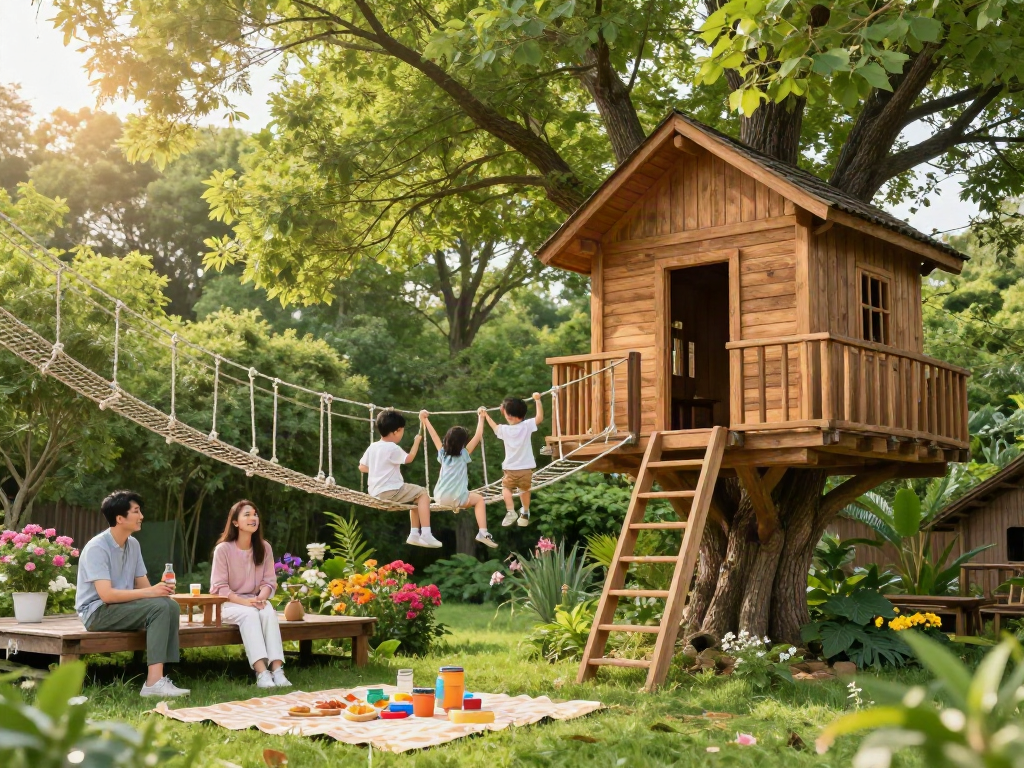
Tree house life refers to the practice of building or residing in treehouses, often designed to harmonise with their natural surroundings. These structures can range from simple platforms crafted for play to elaborate homes equipped with all modern amenities. The core idea is to create living spaces that elevate the experience of dwelling amidst nature, allowing residents to enjoy breathtaking views and the tranquillity that comes with being high above the ground.
The Benefits of Living Among the Trees
Living in a treehouse offers a plethora of benefits, both tangible and intangible:
- Connection to Nature: Living above ground allows for a unique perspective on the surrounding flora and fauna, fostering a deeper appreciation for the natural world.
- Environmental Sustainability: Treehouses often utilise sustainable materials and minimise land disruption, making them a greener choice for housing.
- Health Benefits: Exposure to natural light and fresh air can enhance mental well-being, reduce stress, and improve overall health.
- Adventure and Uniqueness: A treehouse provides an unconventional living experience, offering a sense of adventure that traditional homes may lack.
Types of Treehouses and Their Uses
Treehouses come in various forms, each designed for specific uses:
- Recreational Treehouses: Often designed for children, these structures serve as play areas, encouraging outdoor play and imagination.
- Guesthouses: Many homeowners build treehouses to accommodate guests, offering a unique stay that enhances the appeal of their property.
- Permanent Residences: Some opt to make treehouses their primary living spaces, often incorporating modern amenities such as heating, plumbing, and electricity.
- Art Studios or Offices: A treehouse can serve as a peaceful workspace, providing inspiration and a creative environment.
Designing Your Dream Tree House
Creating your dream treehouse involves careful planning and consideration of various design elements. A successful design not only embodies aesthetic appeal but also practical functionality.
Essential Features for Your Tree House Life
Key features that should be included in a treehouse design are:
- Spacious Decks: These provide areas for relaxation and socialising while offering stunning views of the surroundings.
- Large Windows: Maximising natural light and facilitating ventilation is crucial for creating a comfortable environment.
- Multi-Level Designs: Incorporating different levels adds dimension to the structure, allowing for varied uses of space.
- Outdoor Access: Build bridges or ladders for easy access among trees, enhancing the adventurous feel of tree living.
Eco-Friendly Materials and Practices
Using sustainable materials is fundamental in treehouse construction. Options include:
- Recycled Wood: Utilising reclaimed timber can add character and lessen environmental impact.
- Natural Finishes: Non-toxic paints and finishes help maintain the integrity of the environment while keeping interiors healthy.
- Green Roofs: Incorporating a green roof can aid in insulation and provide an extra layer of biodiversity.
Incorporating Sustainability into Your Design
To make your treehouse more sustainable, consider the following:
- Solar Panels: Harnessing solar energy can power your treehouse and reduce dependency on traditional energy sources.
- Rainwater Harvesting: Installing systems to collect rainwater can provide water for non-potable uses.
- Composting Toilets: These are an eco-friendly alternative to traditional toilets, reducing water use and promoting sustainability.
Building Your Tree House: Step-by-Step Guide
Building a treehouse requires thorough planning, from obtaining necessary permits to choosing the right construction techniques. This guide will walk you through the essential steps.
Planning and Obtaining Permissions
Before constructing a treehouse, understanding zoning laws and obtaining building permits is crucial. This may include:
- Consulting local authorities to ensure compliance with regulations.
- Conducting a site survey to select the best location and tree.
- Engaging with neighbours to inform them of your plans, fostering good community relations.
Construction Tips and Best Practices
When it comes to construction, the following tips can help ensure safety and durability:
- Choose Healthy Trees: Ensure the tree chosen is strong and healthy to support the structure.
- Use Proper Materials: Select quality woods and fasteners to guarantee longevity.
- Follow Safety Guidelines: Using safety gear during construction and ensuring all structural elements are secure is vital.
Safety Considerations for Tree House Life
Safety should always be a priority in tree house construction and living. Key considerations include:
- Regularly inspecting the structure for signs of wear or damage.
- Installing sturdy railings on decks and stairs to prevent falls.
- Educating family members on treehouse safety to prevent accidents.
Furnishing and Decorating Your Tree House
Once your treehouse is built, the next step is furnishing and decorating it to create a comfortable and inviting space.
Choosing the Right Furniture for Comfort
Selecting appropriate furniture is critical to ensure comfort and functionality. Consider the following:
- Compact and Lightweight Options: Furniture that is easy to move can maximise space and adaptability.
- Weather-Resistant Materials: If your treehouse has open areas, ensure furnishings can withstand outdoor conditions.
- Multi-Functional Pieces: Using furniture that serves multiple purposes can save space – think of a bench that doubles as storage.
Creative Decor Ideas for a Unique Tree House Life
When decorating your treehouse, let your creativity shine:
- Themed Decor: Create a unique atmosphere with themes inspired by nature, like woodland or nautical styles.
- Art Installations: Consider hanging art made from natural materials or creating a gallery wall with personal artworks.
- Lighting: Use fairy lights or solar lanterns to create a magical ambiance during the evenings.
Outdoor Spaces: Balconies and Gardens
Maximising outdoor spaces can enhance your treehouse experience. For instance:
- Balcony Extensions: Build balconies for additional outdoor space and stunning views.
- Gardens: Incorporate vertical gardens or potted plants to bring greenery into your treehouse.
- Seating Areas: Create comfortable outdoor seating with cushions and hammocks for relaxation.
Maintaining Your Tree House Over Time
Like any home, a treehouse requires regular maintenance to ensure it remains safe, comfortable, and aesthetically pleasing.
Regular Maintenance Checklist for Longevity
A maintenance checklist may include:
- Inspecting the tree for health issues and potential hazards.
- Checking all structural components, including joints, railings, and supports.
- Cleaning gutters and drainage systems to prevent water damage.
Upgrades and Renovations: When and How
Consider upgrading your treehouse when:
- Your needs change, such as the need for more space or enhanced usability.
- Wear and tear become evident in structural elements.
- You wish to incorporate new technologies or enhance energy efficiency.
Preparing for Seasonal Changes and Weather
Preparing your treehouse for seasonal changes is essential. Steps include:
- Winterising by insulating and sealing any drafts.
- Regularly checking for weather-related damage after storms.
- Adjusting outdoor furniture and decor for exposure to sun or rain.
Frequently Asked Questions
What are the legal requirements for building a tree house?
Legal requirements vary by location, but generally include obtaining building permits and adhering to zoning laws. It’s important to check local regulations before starting construction.
Can tree houses be permanent living spaces?
Yes, treehouses can be designed for permanent living, provided they are built to code and equipped with necessary utilities.
How do you ensure safety in a tree house?
Ensure safety by using quality materials, conducting regular inspections, and adhering to proper building practices.
What materials are best for tree house construction?
Quality wood, such as cedar or redwood, is often recommended due to its durability and resistance to decay.
How can I make my tree house eco-friendly?
Utilising sustainable materials, installing solar panels, and incorporating rainwater harvesting systems can enhance the eco-friendliness of your treehouse.