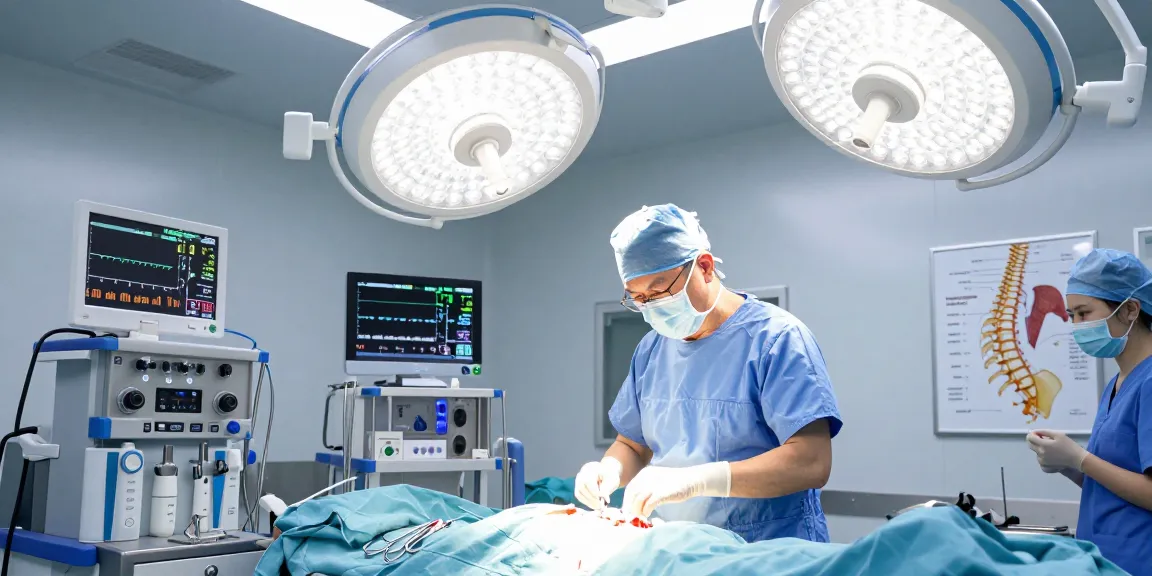
Understanding Bel fıtığı and Its Implications
Bel fıtığı, or herniated disc, is a common condition that affects numerous individuals worldwide, often leading to debilitating pain and discomfort. This condition occurs when the gel-like center of a disc in the spine bulges out through a tear in the tougher exterior casing. The consequences can be far-reaching, as the herniated disc may exert pressure on nearby nerves, resulting in various symptoms ranging from mild discomfort to intense pain radiating down the legs. When exploring options, Bel fıtığı ameliyatı can become a pivotal part of the treatment discussion.
What is Bel Fıtığı?
Bel fıtığı is characterized by the displacement of the intervertebral disc, which can lead to complications such as nerve compression. This is primarily a result of age-related degeneration, injury, or excessive strain on the spine. The condition can significantly impair an individual's quality of life, affecting mobility and overall wellness.
Common Symptoms of Bel Fıtığı
- Severe lower back pain
- Pain radiating down the legs (sciatica)
- Numbness or tingling in the extremities
- Muscle weakness or cramping
- Difficulty in standing or walking
How Bel Fıtığı Affects Daily Life
The impact of bel fıtığı is not just physical; many patients also experience emotional and psychological effects due to chronic pain. Difficulty in performing daily tasks can lead to frustration and feelings of helplessness. Consequently, prompt diagnosis and treatment are essential for alleviating symptoms and improving the quality of life.
When is Bel Fıtığı Ameliyatı Necessary?
Surgical intervention for bel fıtığı is often considered when conservative treatments have failed and symptoms persist. It is crucial to evaluate the severity of the condition and its impact on the patient's everyday life before deciding on surgery.
Signs Indicating Surgical Intervention
- Persistent pain despite medication and physical therapy
- Loss of bladder or bowel control
- Severe weakness in the legs or feet
- Signs of nerve damage or increasing numbness
Risks of Delaying Surgery
Delaying surgical intervention can result in further deterioration of the condition, leading to long-term pain and dysfunction. Early intervention often results in better outcomes, reducing the risk of permanent nerve damage and improving recovery times.
Expert Opinions on Surgery Timing
Experts suggest that if there is significant pain and functional impairment, patients should not hesitate to discuss surgical options. Early surgical intervention can significantly improve recovery outcomes and speed up the healing process.
Modern Techniques in Bel Fıtığı Ameliyatı
Advancements in surgical techniques have led to less invasive options that can reduce recovery time and minimize complications. Current approaches focus on preserving as much surrounding tissue as possible.
What is Minimally Invasive Surgery?
Minimally invasive surgery is characterized by smaller incisions, reduced tissue damage, and faster recovery times. Techniques such as microdiscectomy and endoscopic surgery exemplify this approach, allowing surgeons to address herniated discs with minimal disruption to surrounding structures.
Comparing Microdiscectomy and Traditional Surgery
Microdiscectomy involves the removal of a portion of the herniated disc through a smaller incision than traditional open surgery. This method results in less postoperative pain and faster recovery, allowing patients to return to their daily activities sooner.
Benefits of Advanced Surgical Techniques
- Reduced hospital stay
- Lower risk of infection
- Less bleeding during the procedure
- Quicker rehabilitation and less pain
Recovery Process After Bel Fıtığı Ameliyatı
The recovery process following bel fıtığı surgery is crucial for regaining strength and function. Patients must adhere to rehabilitation protocols to ensure a successful outcome.
What to Expect Immediately After Surgery
Patients can anticipate some discomfort and fatigue immediately following surgery. However, significant pain relief is often reported within days as the pressing herniated material is removed. A physical therapist will typically guide the rehabilitation process.
Physical Therapy Post-Operation
Engaging in physical therapy is essential for restoring mobility and strengthening the back post-surgery. Patients will be taught exercises that focus on core strengthening, flexibility, and gradual return to daily activities.
Long-Term Care and Monitoring
Monitoring recovery through regular check-ups can help identify any complications early. Maintaining an active lifestyle and strengthening the back muscles can prevent future occurrences of bel fıtığı.
Future Trends in Bel Fıtığı Treatment
The landscape of bel fıtığı treatment is evolving, with continuous advancements in technology and surgical techniques aimed at improving patient outcomes.
Innovative Technologies in Spine Surgery
Emerging technologies, including robotic-assisted surgeries and enhanced imaging techniques, are positioning spine surgery to become even safer and more efficient. These innovations allow for greater precision and better visualization of the surgical site.
Patient-Centered Approaches to Treatment
Considerations of patient preferences and lifestyles are becoming central to treatment planning. Involving patients in their treatment decisions leads to improved satisfaction and engagement in their recovery.
Predictions for Surgical Advances by 2026
Experts anticipate that by 2026, minimally invasive technologies will become the standard in spinal surgeries, allowing for reduced recovery times and better long-term outcomes. Continued research into regenerative medicine may also enhance the healing process post-surgery.
What are the common recovery challenges after bel fıtığı ameliyatı?
Patients may face various challenges, including managing pain, adjusting to physical limitations, and the psychological impact of chronic pain. Support from healthcare providers, family, and counseling can assist in overcoming these hurdles.
How can patients best prepare for bel fıtığı ameliyatı?
Preparation includes discussing concerns with the surgical team, undergoing preoperative evaluations, and understanding the procedures involved. Additionally, patients should arrange for assistance with daily activities during their recovery.
What are the long-term effects of bel fıtığı surgery?
Long-term effects can vary based on the patient and the specifics of the surgery. For more information, Bel fıtığı ameliyatı offers valuable insights. Many patients experience significant pain relief and improved functionality, while some may contend with lingering discomfort or the risk of recurrence.