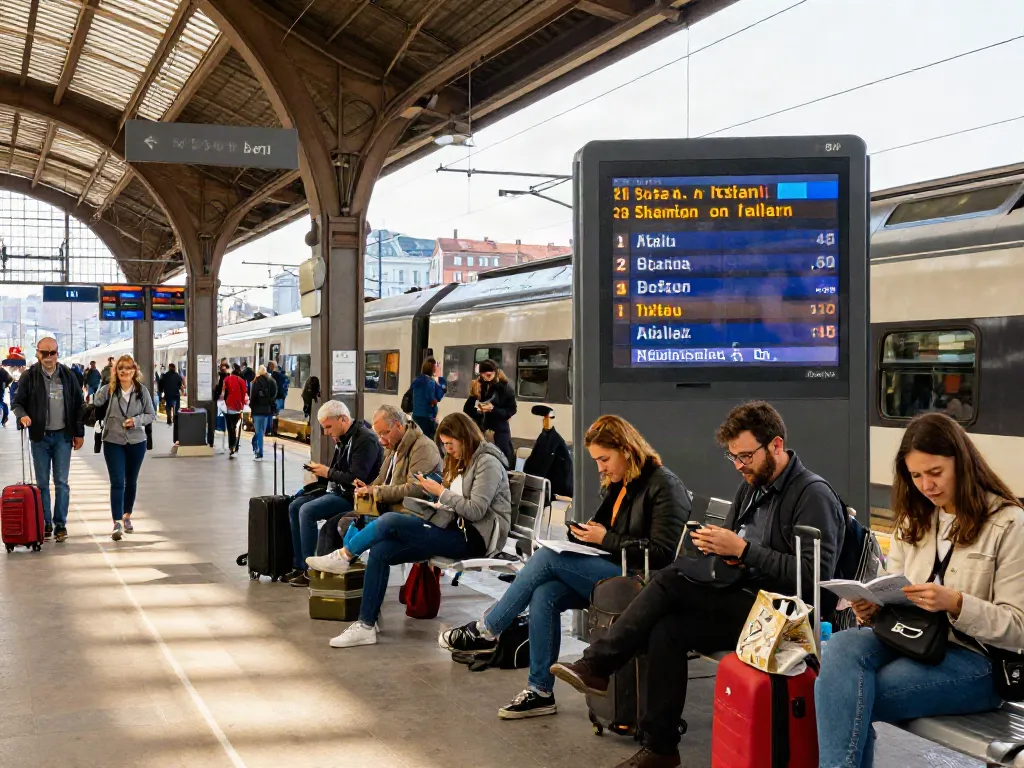
Understanding Train Strikes in Italy
Train strikes, or "scioperi treni," significantly affect daily commuters in Italy, presenting challenges to those who rely on public transportation. Recognizing the legal framework and the various impacts of these strikes is vital for effective planning, especially in a country where such events can disrupt entire regions. With the help of applications like Scioperi treni, individuals can stay ahead of potential disruptions and manage their travel more efficiently.
What are Scioperi Treni?
Scioperi treni represent coordinated stoppages by transit workers, primarily to negotiate better working conditions, pay, or protest various issues affecting the workforce. These strikes can vary in scale, duration, and notice period, with the legal requirement that strikes be announced at least ten days in advance, allowing commuters to prepare.
Legal Framework Surrounding Strikes
The Italian legal framework governing strikes is complex and involves various regulations to protect both workers' rights and public interests. Under Italian law, transport unions must provide at least ten days' notice before a planned strike. This legal requirement is essential for ensuring that citizens can adjust their travel plans accordingly. Additionally, minimum service levels must be maintained during strikes to mitigate public inconvenience.
Impact on Daily Commuters
Train strikes can have a profound impact on daily commuters, from major urban centers to smaller towns. The disruption of services may lead to increased waiting times, overcrowded alternatives, or the necessity to find alternate routes. For those who rely on trains for their livelihoods, even a short strike can result in financial losses or missed opportunities.
How C'è Sciopero App Works
As a response to the challenges posed by train strikes, the C'è Sciopero app provides real-time information to users about upcoming strikes, helping them to plan their travel more effectively. The app is designed to keep users informed about transport disruptions across Italy, offering a comprehensive suite of features tailored for commuters.
Real-Time Notifications Explained
One of the primary features of the C'è Sciopero app is its real-time notification system. Users can set up alerts based on their selected regions and transport categories, receiving timely updates before strikes commence. This proactive approach ensures that commuters are not caught off guard, allowing them to make informed decisions about their travel options.
Geographical Alerts for Users
Geographical alerts are another critical component of the app. Users can customize their preferences by choosing specific regions of interest, thereby receiving notifications that are relevant to their travel needs. This localized approach enhances user experience and ensures that commuters receive pertinent updates tailored to their daily routes.
App Features and User Experience
The C'è Sciopero app boasts a user-friendly interface that enhances the overall experience. Features such as a live map showing strike locations and affected transport services provide users with a visual overview of the situation in real-time. Additionally, the app includes comprehensive information regarding the nature of each strike, including duration, involved unions, and specific transport lines impacted.
Preparing for Upcoming Strikes in 2026
Being proactive about potential strikes is essential for effective travel planning. The year 2026 may bring several planned strikes, so knowing key dates and understanding how to navigate the situation is crucial for commuters.
Key Dates and Events to Watch
Upcoming strikes, such as the anticipated nationwide strike on September 10, 2026, regarding freight transport staff, will require significant attention from commuters. Travelers should mark these dates on their calendars and stay updated through reliable sources like the C'è Sciopero app for the latest information.
How to Plan Travel Around Strikes
Planning travel around strikes involves a combination of flexibility and strategic foresight. Commuters should consider alternative routes and transportation options, such as buses, carpooling, or even remote work, when possible. Having a backup plan can alleviate stress during strike periods.
Understanding Government Policies on Transport
Government policies regarding transport during strikes often include provisions for maintaining minimum service levels, ensuring that essential travel needs are met even during disruptions. It is beneficial for commuters to familiarize themselves with these policies to understand their rights and the services available during strike events.
Comparing "C'è Sciopero" with Competitors
In the landscape of strike awareness applications, C'è Sciopero stands out, but it is essential to compare it with other available options in the market to determine the best fit for user needs.
Overview of Competing Apps
There are several competing apps providing information on transport strikes in Italy. Some of the notable ones include the official MIT and Trenitalia apps, both of which offer their systems. However, the C'è Sciopero app's real-time push notifications and customizable regional alerts give it a competitive edge.
Key Features and Limitations
While C'è Sciopero excels in providing real-time notifications and an easy-to-use interface, some competitors may offer unique features such as integrated ticket purchasing or historical data on strikes. However, the limitations of some apps include less user-friendly interfaces or delayed notifications.
User Preferences and Feedback
User feedback consistently praises C'è Sciopero for its efficiency and the clarity of its notifications. Many commuters appreciate the personalized approach to strike alerts, allowing them to only receive information relevant to their daily travel routes.
Future of Transportation and Strikes in Italy
The future of public transportation in Italy will undoubtedly be shaped by ongoing labor disputes and striking events. Understanding trends and technological advancements in this sector can provide insights into what commuters can expect in the coming years.
Trends in Public Transport and Strikes
As public transport continues to evolve, trends such as increased digital integration and improved communication strategies are likely to emerge. These changes may foster a better understanding between operators and employees, potentially reducing the frequency of strikes.
Technological Advances in Communication
Technological advancements, particularly in mobile applications and real-time data sharing, are transforming how commuters receive information about strikes. Enhanced connectivity allows users to receive timely updates, making it easier to navigate disruptions with minimal impact on daily life.
Expectations for 2026 and Beyond
Looking ahead to 2026 and beyond, increased awareness of labor rights and the role of effective communication in public transport may lead to more structured negotiations and fewer abrupt strike actions. Commuters can anticipate an evolving landscape that values the needs of both workers and the public.
What are the legal obligations for announcing a strike?
Strikes in Italy are governed by strict legal frameworks, requiring unions to announce their intentions at least ten days before the strike's commencement. This legal obligation is designed to minimize disruptions and ensure commuters have adequate time to adjust their travel plans.
How can I stay informed about local transport strikes?
Staying informed about local transport strikes can be done through various channels, including social media, official transport websites, and dedicated applications like C'è Sciopero. Maintaining awareness of upcoming events and signing up for push notifications can significantly ease the planning process.
What should I do in case of sudden changes in transport schedules?
In case of sudden changes in transport schedules, it is crucial to remain calm and consult reliable sources for updated information. Alternatives such as carpooling or using rideshare services can be effective backup plans during unexpected disruptions.
Are there alternatives to public transport during strikes?
Yes, alternatives to public transport during strikes include carpooling, biking, walking, or using rideshare services. Planning ahead and considering these options can help mitigate the impact of a strike on daily commutes.
How to provide feedback on the C'è Sciopero app?
Users can provide feedback on the C'è Sciopero app through app store reviews or by contacting support directly. User input is valuable for improving the app's features and overall user experience.