
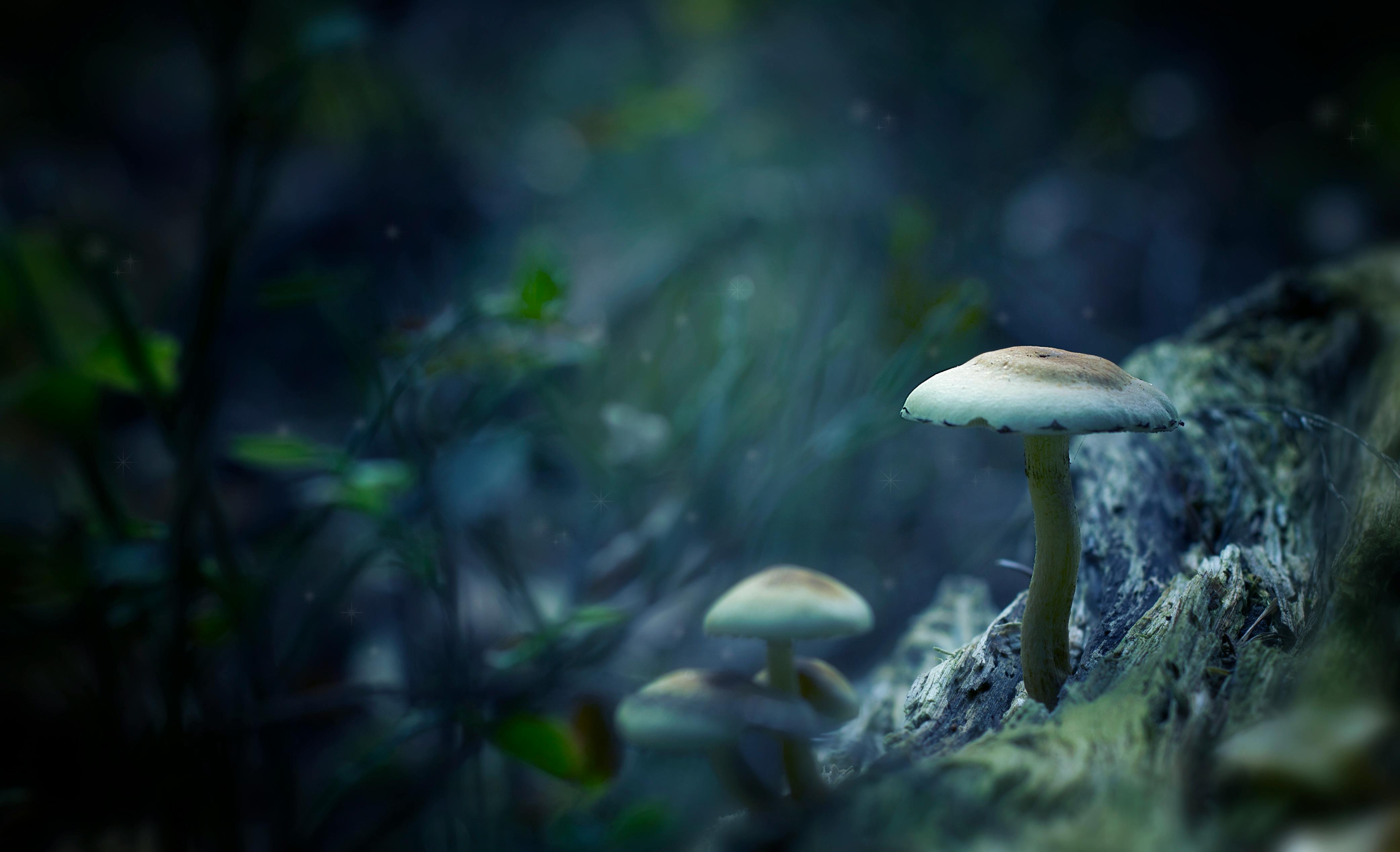
INTRODUCTION TO MUSHROOM FORAGINGMushroom foraging is an enjoyable way to connect with nature while sourcing fresh, flavorful ingredients. However, it requires knowledge, caution, and respect for the environment. Mushrooms can be both delicious and dangerous; some varieties are highly toxic. This guide will help beginners forage Mushrooms safely, emphasizing identification, preparation, and responsible practices.
UNDERSTANDING MUSHROOMS AND THEIR HABITATSBefore foraging, it is essential to learn about Mushrooms’ natural habitats. Different Mushrooms thrive in forests, grasslands, or near decaying wood. For example, morel Mushrooms often grow near trees in spring, while chanterelles prefer mossy forest floors. Observing where Mushrooms grow, along with their size, color, and shape, is key to identifying edible species. Familiarity with Mushrooms’ habitats reduces the risk of picking dangerous varieties.
IDENTIFYING EDIBLE MUSHROOMSCorrect identification is the most crucial step in safe foraging. Common edible Mushrooms include morels, chanterelles, shiitake, and oyster Mushrooms. Pay attention to the cap shape, gills, stem, and spore color. Beginners should use multiple sources such as field guides, apps, and expert advice to confirm identification. Remember, some toxic Mushrooms closely resemble edible ones, so when in doubt, do not pick or consume it. Mushrooms are only safe if identification is certain.
TOOLS AND TECHNIQUES FOR SAFE FORAGINGFor safe Mushroom foraging, bring a small knife, a basket, and a field guide. Cut Mushrooms at the base rather than pulling them from the soil to protect their mycelium and ensure future growth. Avoid plastic bags, as they can trap moisture and cause Mushrooms to spoil. Take clear photos and notes of the Mushrooms you find to double-check identification later. These tools and techniques help beginners forage Mushrooms responsibly.
PREPARATION AND COOKING OF FORAGED MUSHROOMSEven edible Mushrooms must be cleaned and cooked properly. Gently brush off dirt and debris rather than washing them under running water, which can affect texture. Cooking Mushrooms thoroughly enhances flavor and digestibility. Sautéing, roasting, or grilling are popular methods that bring out the natural umami of Mushrooms. Proper preparation ensures that Mushrooms are both safe and delicious for consumption.
SAFETY PRECAUTIONS AND COMMON MISTAKESForagers must take safety seriously. Never consume wild Mushrooms unless you are 100% sure of their identification. Avoid picking Mushrooms near polluted areas, roads, or chemical-treated soils. Be aware of allergic reactions, as some people may be sensitive to certain Mushrooms. Teaching beginners to recognize dangerous look-alikes and to cross-check with experts reduces the risk of poisoning.
ETHICAL AND SUSTAINABLE FORAGINGResponsible foraging preserves natural ecosystems and ensures the availability of Mushrooms for future generations. Harvest only what you need, leave some Mushrooms behind to propagate, and respect local regulations. Avoid damaging surrounding plants and soil. Sustainable practices allow Mushrooms to continue thriving in their natural habitats while providing safe, fresh food for foragers.
CONCLUSIONMushroom foraging is a rewarding activity that combines culinary enjoyment with a connection to nature. By learning to identify Mushrooms, using proper tools and techniques, and practicing ethical foraging, beginners can safely explore the world of Mushrooms. With knowledge and caution, Mushrooms become not only a flavorful ingredient but also a gateway to outdoor adventure and sustainable eating.