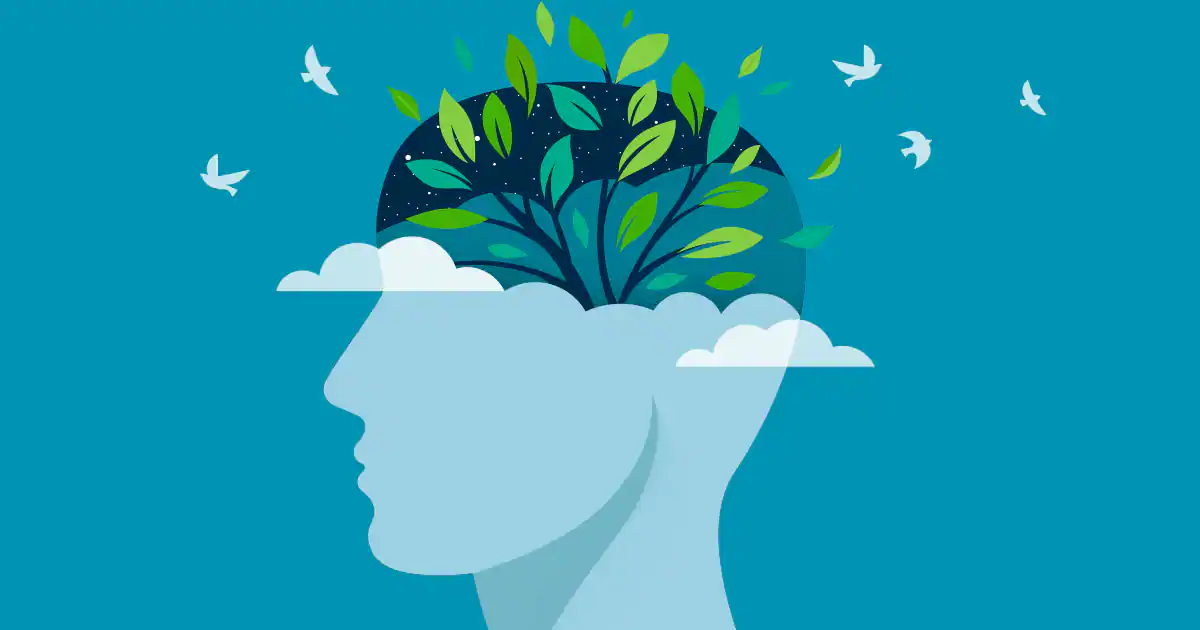
In today's fast-paced world, maintaining emotional equilibrium can feel like a daunting task. Mental health tips play a crucial role in helping individuals navigate stress, anxiety, and daily challenges while fostering a sense of calm and balance. By integrating simple, evidence-based practices into daily routines, anyone can enhance their emotional wellbeing and create a more harmonious life.
Understanding Calm and Emotional Balance
Emotional balance is the ability to manage feelings effectively without being overwhelmed by stress, anxiety, or negative emotions. Achieving calm and stability is not about suppressing emotions but understanding and regulating them. Building emotional balance improves decision-making, strengthens relationships, and enhances overall mental health.
What Emotional Balance Looks Like
Emotional balance manifests in various ways, including maintaining a steady mood, responding thoughtfully to challenging situations, and avoiding impulsive reactions. Individuals with strong emotional balance tend to exhibit resilience, adaptability, and a positive outlook on life.
Why Emotional Balance Matters
Maintaining emotional balance reduces the risk of chronic stress, burnout, and mental health disorders. It also improves cognitive performance, interpersonal relationships, and physical health. Incorporating mental health tips into daily life can help individuals maintain this equilibrium consistently.
Daily Practices for Cultivating Calm
Integrating daily habits that promote relaxation and focus is essential for emotional wellbeing. These practices provide a foundation for building resilience against stress and emotional turbulence.
Mindfulness and Meditation
Mindfulness exercises and meditation techniques are highly effective for calming the mind. By paying deliberate attention to the present moment without judgment, individuals can reduce anxiety and cultivate emotional stability. Even a few minutes daily can significantly impact overall wellbeing.
Breathing Exercises
Controlled breathing techniques, such as diaphragmatic breathing or the 4-7-8 method, help activate the parasympathetic nervous system, which induces relaxation. These exercises are simple, can be done anywhere, and offer immediate stress relief.
Journaling for Emotional Clarity
Writing down thoughts and feelings can provide insight into emotional patterns and triggers. Journaling encourages self-reflection, allowing individuals to process complex emotions and maintain perspective during challenging times.
Nutrition and Physical Health for Emotional Stability
Physical health and mental health are deeply interconnected. A balanced diet, regular exercise, and adequate sleep directly impact mood regulation and emotional resilience.
Nutritional Choices That Support Calm
Consuming nutrient-rich foods, including fruits, vegetables, whole grains, and lean proteins, supports brain function and stabilizes mood. Omega-3 fatty acids, found in fish and flaxseed, have been shown to reduce symptoms of anxiety and depression.
The Role of Exercise
Regular physical activity releases endorphins, which enhance mood and decrease stress. Activities like yoga, walking, or strength training also improve sleep quality and cognitive function, contributing to emotional balance.
Sleep as a Cornerstone
Sleep is essential for mental and emotional recovery. Establishing a consistent sleep schedule, creating a calming bedtime routine, and limiting exposure to screens before bed enhance restorative sleep and promote calmness throughout the day.
Cognitive and Behavioral Strategies
Mental health is not only shaped by lifestyle habits but also by thought patterns and coping mechanisms. Cognitive strategies help individuals manage emotions and maintain balance even in challenging circumstances.
Practicing Cognitive Reframing
Cognitive reframing involves shifting perspective on negative thoughts or stressors. By interpreting situations more positively or constructively, individuals reduce anxiety and increase emotional resilience.
Setting Realistic Goals
Breaking down tasks into manageable steps prevents overwhelm and promotes a sense of accomplishment. Realistic goal-setting also helps maintain focus and emotional control during periods of pressure.
Cultivating Gratitude
Gratitude practices, such as listing daily points of appreciation, shift attention away from stressors and reinforce positive thinking. Regular gratitude exercises improve overall mental wellbeing and emotional stability.

Social Connections and Support
Strong relationships and social engagement are crucial for emotional balance. Connecting with supportive individuals offers validation, comfort, and perspective.
Maintaining Healthy Relationships
Open communication, active listening, and empathy are essential for fostering meaningful connections. Supportive relationships buffer stress and provide emotional safety during difficult times.
Seeking Professional Support
Therapists, counselors, and mental health professionals offer structured guidance to navigate complex emotions. Professional support is invaluable for developing coping strategies and reinforcing emotional resilience.
Mindful Technology Use
Technology offers benefits but can also disrupt emotional balance if overused. Mindful usage of devices and social media can prevent information overload and reduce stress.
Digital Detox Strategies
Setting boundaries on screen time, designating device-free periods, and engaging in offline activities help restore focus and emotional calm. These practices encourage present-moment awareness and meaningful engagement with life.
Choosing Positive Content
Consuming content that uplifts, educates, or inspires fosters a healthier mental environment. Limiting exposure to negative news or toxic social media interactions protects emotional wellbeing.
Long-Term Habits for Sustained Emotional Health
Developing long-term habits ensures that emotional balance is maintained consistently. Sustained commitment to mental health practices strengthens resilience and reduces vulnerability to stress.
Building Resilience
Resilience involves the ability to recover from setbacks and adapt to change. Practicing self-compassion, maintaining perspective, and cultivating optimism are key strategies for resilience.
Regular Self-Care Practices
Self-care encompasses activities that nurture physical, mental, and emotional health. Scheduling regular downtime, engaging in hobbies, and setting personal boundaries are essential for long-term wellbeing.
Continuous Learning and Reflection
Ongoing personal development and reflection support emotional growth. Learning new skills, exploring creative outlets, and reflecting on experiences enhance self-awareness and emotional intelligence.
Incorporating Mind-Body Techniques
Mind-body practices integrate physical movement with mental focus, reducing stress and promoting calmness.
Yoga and Tai Chi
These ancient practices combine controlled movement, breathwork, and meditation. Regular practice improves emotional regulation, reduces anxiety, and strengthens the connection between mind and body.
Progressive Muscle Relaxation
Progressive muscle relaxation involves systematically tensing and relaxing muscle groups. This practice reduces physical tension and promotes deep mental relaxation, aiding emotional balance.
Creating a Calm Environment
The spaces we inhabit influence our mental state. Creating an environment that fosters calmness enhances emotional stability.
Decluttering and Organization
A tidy, organized environment reduces stress and improves focus. Simplifying surroundings promotes a sense of order and control, supporting emotional balance.
Sensory Comfort
Incorporating soothing elements such as natural light, calming colors, and pleasant scents can positively impact mood. Sensory comfort enhances the ability to relax and sustain emotional equilibrium.
Mindful Time Management
Managing time effectively prevents overwhelm and allows space for mental rejuvenation.
Prioritization and Scheduling
Identifying priorities and scheduling tasks realistically prevents burnout. Balanced time management ensures that work, rest, and leisure coexist harmoniously.
Incorporating Breaks
Regular breaks during work or daily activities reduce mental fatigue and promote calmness. Even brief periods of pause allow for reflection and emotional regulation.
Practicing Emotional Awareness
Developing awareness of one's emotions is foundational for emotional balance. Recognizing and naming feelings fosters control and informed responses.
Emotion Identification
Tracking emotional responses helps in understanding triggers and patterns. Journaling or using mood-tracking apps enhances awareness and supports proactive coping strategies.
Accepting Emotions
Acknowledging and accepting emotions without judgment allows for healthier processing. Acceptance reduces internal conflict and strengthens emotional resilience.
Conclusion
Building calm and emotional balance is a lifelong process that requires commitment, self-awareness, and practical strategies. By incorporating mental health tips such as mindfulness, proper nutrition, exercise, cognitive reframing, social support, and mindful technology use, individuals can enhance their emotional resilience and foster a more harmonious life. Emotional balance is not an endpoint but a continuous journey that benefits overall wellbeing, relationships, and personal fulfillment. Tap into deeper knowledge by returning to our core platform homepage.
FAQs
What are the simplest mental health tips to start practicing daily?
Simple daily practices include mindfulness meditation, deep breathing exercises, journaling, gratitude reflection, and short walks. These techniques reduce stress, improve focus, and foster emotional balance.
How does exercise contribute to emotional balance?
Exercise stimulates endorphin release, which improves mood, reduces stress, and promotes better sleep. Physical activity also supports brain function and resilience, enhancing overall mental health.
Can social connections really impact emotional wellbeing?
Yes. Healthy relationships provide emotional support, validation, and a sense of belonging, all of which are essential for managing stress and maintaining emotional balance. Regular engagement with supportive individuals strengthens mental resilience.