
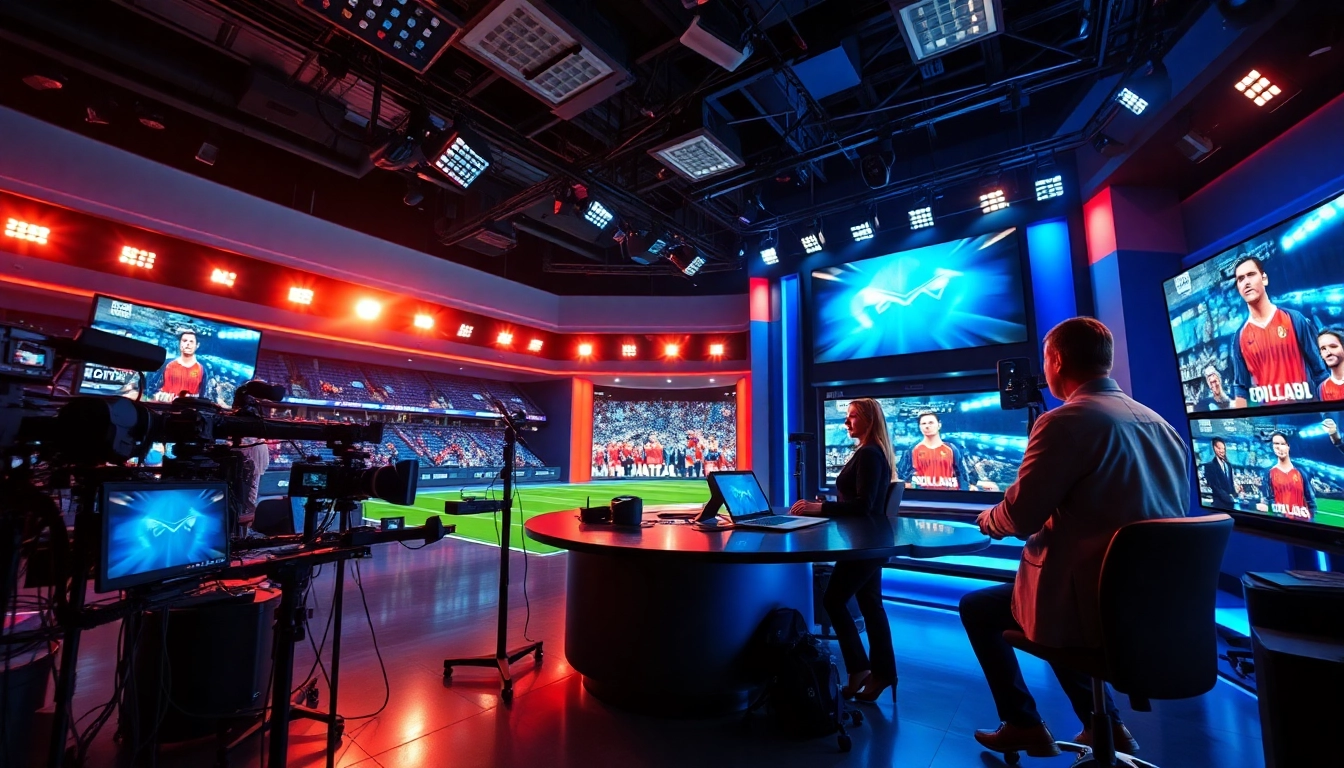
Understanding Sports Broadcasting
Definition and Scope of Sports Broadcasting
Sports broadcasting refers to the live or recorded transmission of sports events through various media channels, including television, radio, and online platforms. Its primary aim is to deliver real-time information and entertainment to audiences worldwide. The scope of sports broadcasting has dramatically expanded with technological advancements, turning it into a multi-billion-dollar industry that encompasses not only the actual games but also pre-and post-game analysis, commentary, and various interactive formats. In today's digital age, effective Sports Broadcasting reaches audiences through diverse platforms, from mobile applications to social media, creating a more engaging user experience.
History and Evolution of Sports Broadcasting
The origins of sports broadcasting date back to the early 20th century when radio waves were first used to transmit live sports events. In the 1920s, the National Football League (NFL) and Major League Baseball (MLB) adopted radio broadcasting as a means of reaching fans. The advent of television in the 1950s revolutionized sports broadcasting, allowing a wider audience to experience live events. As technology evolved, so did the broadcasting methods. The transition from analog to digital broadcasting in the late 20th century introduced high-definition streaming, offering enhanced visuals and sound. Recent decades have seen the rise of the internet, leading to on-demand services and interactive viewing experiences, transforming how audiences consume sports content.
Key Technologies in Sports Broadcasting
Several key technologies have shaped the landscape of sports broadcasting, enhancing the viewer experience. Innovations such as high-definition cameras and drones allow for breathtaking aerial shots and detailed replays that capture every angle of the action. Real-time analytics tools enable broadcasters to deliver live statistics and player performance metrics, enriching the narrative of the game. Additionally, cloud computing facilitates seamless content delivery over the internet, enabling immediate access to live sports events across multiple devices. These technologies not only elevate the quality of broadcasts but also empower audiences with more information and interaction.
Challenges in Sports Broadcasting
Managing Live Coverage Complications
Live sports broadcasting presents unique challenges due to its unpredictable nature. Factors such as weather conditions, technical difficulties, and unexpected game events can disrupt the flow of coverage. Broadcasters must be prepared with backup plans, such as alternative feeds or on-the-spot interviews, to ensure continuous engagement with the audience. Moreover, upholding broadcast standards while balancing spontaneity requires a well-trained team that can adapt in real time, often with little notice.
Audience Engagement in a Digital World
With an abundance of sports content available online, capturing and retaining viewer attention is increasingly difficult. Broadcast teams must leverage social media engagement and interactive content to forge connections with fans. This may include live polls, real-time social media updates, and viewer-driven content. Traditional broadcasting strategies are evolving, requiring a deep understanding of audience preferences, viewing habits, and content consumption trends. The goal is to cultivate a loyal fan base through consistent engagement rather than merely attracting viewers to a single event.
Legal and Ethical Considerations
Sports broadcasting involves navigating a complex landscape of legal and ethical considerations. Copyright issues present significant challenges in ensuring that broadcasting rights are respected. Also, ethical dilemmas, such as the portrayal of athletes, diversity in representation, and the promotion of gambling, pose moral questions for broadcasters. Adhering to legal standards while maintaining ethical integrity is crucial for building trust with audiences and stakeholders alike.
Best Practices for Effective Sports Broadcasting
Building a Strong Team of Broadcasters
A successful sports broadcast is often the result of a collaborative team effort. Selecting talented broadcasters with complementary skills—such as expertise in play-by-play, analysis, and audience engagement—is essential. Ongoing training and workshops help enhance the team’s performance while ensuring they stay updated on industry trends. Fostering a culture of communication and collaboration within the team contributes to delivering high-quality broadcasts that resonate with viewers.
Enhancing Viewer Experience with Interactive Content
Interactive content is key to engaging a modern audience. Integrating features such as quizzes, live stats, and audience polls during broadcasts creates a dynamic viewing experience. Utilizing platforms like Twitter and Instagram for real-time interactions further engages fans beyond the live event. Personalized content, where viewers can select camera angles or replays, can also be considered to enhance user experience and satisfaction, making connections with viewers much stronger.
Utilizing Analytics for Better Programming
Data analytics plays an essential role in refining sports broadcasting programming and strategies. By gathering data on viewer preferences, attendance patterns, and advertisement impacts, broadcasters can adapt their offerings to cater to audience interests better. KPI tracking allows for informed decision-making, enabling teams to enhance sports narratives, promotion strategies, and content delivery. Establishing a feedback loop through surveys or social media can further inform the analytics process, ensuring continuous improvement.
Trends Shaping the Future of Sports Broadcasting
The Impact of Streaming Services on Traditional Broadcasting
The emergence of streaming platforms significantly influences the landscape of sports broadcasting. Traditional networks face extensive competition as viewers increasingly turn to on-demand services for personalized content. Consequently, sports leagues and organizations adapt by securing lucrative partnerships with streaming services. This shift toward accessibility and flexibility in content consumption not only alters the audience's viewing patterns but also challenges broadcasters to innovate continuously.
The Role of Social Media in Sports Broadcasting
Social media serves as an indispensable tool for expanding the reach of sports broadcasts. Platforms such as Facebook, Twitter, and TikTok provide broadcasters with novel avenues to promote their events and engage viewers in real time. By sharing highlights, behind-the-scenes content, and player interactions, broadcasters can create a comprehensive online presence that complements traditional broadcasts. Furthermore, fan-generated content encourages community building and enhances the overall viewer experience.
Innovations in Augmented and Virtual Reality
Augmented reality (AR) and virtual reality (VR) technologies are pushing the boundaries of viewer engagement in sports broadcasting. These innovations allow fans to experience events from immersive perspectives, transforming how audiences enjoy live sports. Offering AR overlays during broadcasts, such as player stats and interactive ticket purchasing options, enhances viewer immersion and satisfaction. As technology advances, integrating AR and VR into broadcasts may become standard practice, further enriching the audience experience.
Measuring Success in Sports Broadcasting
Key Performance Indicators (KPIs) to Track
Measuring success in sports broadcasting involves understanding a variety of key performance indicators (KPIs). Viewership numbers during live broadcasts, social media engagement rates, and audience retention are crucial metrics to assess performance. Revenue generation from advertisements and sponsorships also plays a vital role in evaluating overall success. Analyzing these metrics enables broadcasters to refine their strategies, develop targeted content, and maintain viewer loyalty.
Feedback and Adaptation for Continuous Improvement
Feedback from viewers and stakeholders is essential for continuous improvement in sports broadcasting. Implementing regular surveys, engagement analyses, and social media monitoring allows broadcasters to understand audience needs and expectations better. By adapting to feedback, organizations can make informed decisions to enhance the viewer experience continually. Fostering a culture of openness, where feedback is not only welcomed but acted upon, is crucial for long-term success.
Case Studies of Successful Sports Broadcasting
Examining successful case studies in sports broadcasting provides valuable insights into effective strategies and innovations. For instance, a major sports league successfully integrated real-time analytics into its broadcasts, enhancing viewer engagement through augmented graphics and interactive polls. Another example involves a broadcasting network utilizing social media to promote supplemental content and engage fans beyond traditional broadcasts, creating a multi-channel viewing experience. These successes highlight the importance of innovation, adaptability, and audience interaction in contemporary sports broadcasting.
FAQs
What is sports broadcasting?
Sports broadcasting is the transmission of live or recorded sports events through media channels, aiming to entertain and inform audiences. It encompasses a wide range of formats, including television, radio, and online streaming.
How has technology changed sports broadcasting?
Technology has revolutionized sports broadcasting by introducing high-definition visuals, real-time analytics, and interactive content options. This enhances viewer engagement and provides richer experiences compared to traditional broadcasts.
What challenges does sports broadcasting face?
Sports broadcasting faces challenges like managing live coverage complications, audience engagement in a digital landscape, and navigating legal and ethical issues surrounding rights and representation.
How can broadcasters improve audience engagement?
Broadcasters can enhance audience engagement by creating interactive content, utilizing social media for real-time interaction, and personalizing viewer experiences through analytics and feedback.
What role does data analytics play in sports broadcasting?
Data analytics allows sports broadcasters to track audience preferences, measure performance, and make informed decisions, ultimately improving content delivery and increasing viewer loyalty.