Understanding the Basics of Fly Fishing
What is Fly Fishing?
Fly fishing is a method of angling that utilizes lightweight lures called flies to catch fish. Unlike traditional fishing techniques that rely on bait, fly fishing aims to imitate various aquatic insects and other small creatures that fish prey upon. This sport combines skill, artistry, and an appreciation for nature, making it a favorite among anglers of diverse backgrounds. Fly fishing is particularly popular for targeting species like trout, bass, and salmon due to its effectiveness in mimicking their natural food sources.
Essential Equipment for Beginners
Before embarking on your fly fishing adventure, it's crucial to equip yourself with basic gear tailored for novices. Here’s a breakdown of the essentials:
- Fly Rod: Typically, a 9-foot rod is ideal for beginners, providing good balance and versatility.
- Fly Reel: This component is used to store the line and has a drag system to manage the fish’s resistance.
- Fly Line: A specialized line designed to float on water, it is heavier than traditional fishing lines, allowing the angler to cast effectively.
- Flies: These are artificial lures meant to mimic insects and other small prey. They come in various types, including dry flies, wet flies, and nymphs.
- Leader and Tippet: These lines connect the fly to the main fishing line, with the tippet being lighter for better presentation.
- Waders: For those who prefer to wade in rivers, a good pair of waders keeps you dry and comfortable.
Choosing the Right Fishing Location
Location plays a critical role in the success of your fly fishing experience. Selecting an area rich in fish species and conducive to fly fishing techniques is vital. Here are some tips for finding the perfect spot:
- Local Rivers and Streams: Research local waterways known for their populations of trout or bass.
- Stillwater Bodies: Lakes and ponds can be productive, especially for larger fish.
- Guided Tours: If you're new to an area, consider hiring a local guide who knows the best spots and techniques.
Finding Fly Fishing Lessons Near Me
Local Instructors and Their Expertise
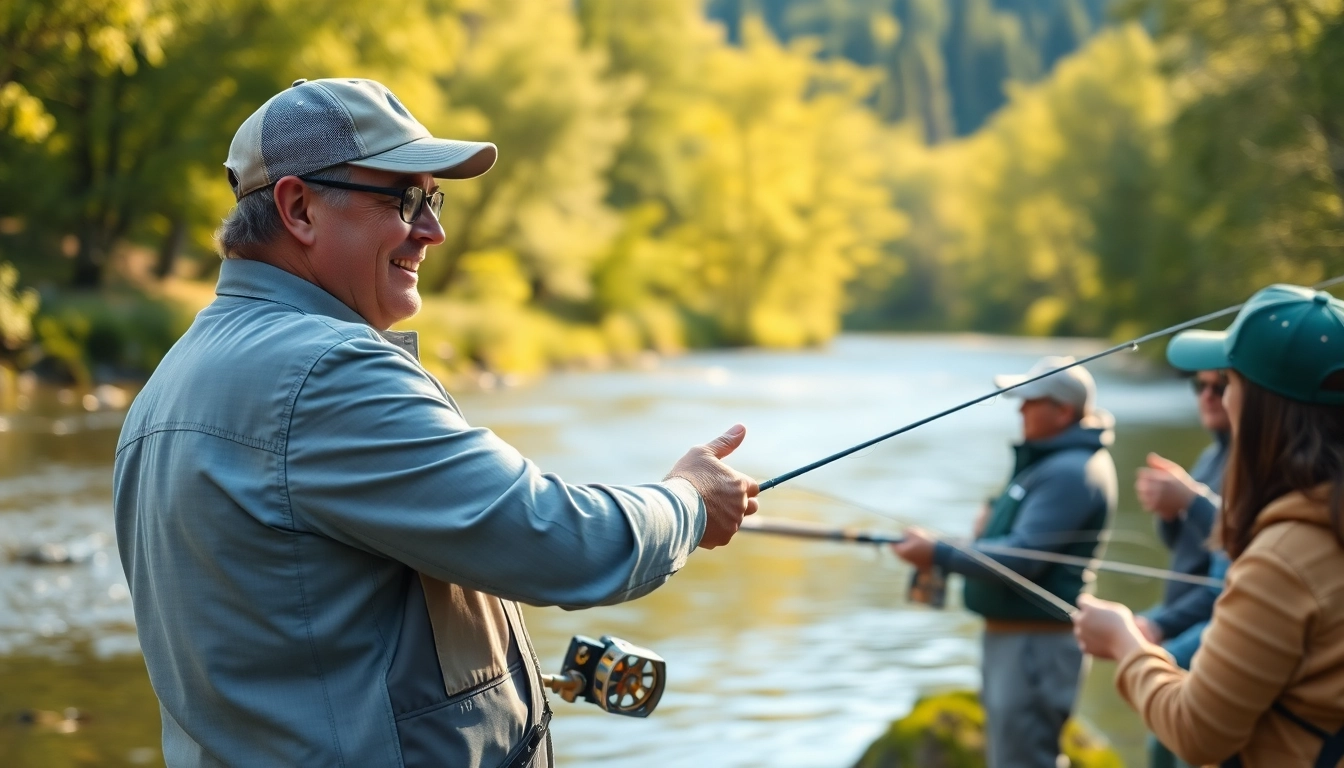
Once you’ve grasped the basics of fly fishing, taking lessons from local instructors can enhance your skills significantly. Expert instructors not only provide technical knowledge but also share insights about local fishing conditions and techniques. Look for instructors with certifications and positive reviews in your area, which often indicate their expertise and teaching style.
What to Look for in a Good Lesson
When selecting fly fishing lessons, consider the following factors to ensure you receive the highest quality instruction:
- Instructor Qualifications: Look for experience, credentials, and a deep understanding of local fisheries.
- Lesson Structure: A good lesson should include both theory and practical application on the water.
- Class Size: Smaller groups ensure personalized attention, allowing for a better learning experience.
- Student Feedback: Seek testimonials or reviews from previous students to gauge the effectiveness of the instructor.
Online Resources for Finding Lessons
If you are searching for fly fishing lessons near me, various online platforms can aid your search. Websites like the American Fly Fishing Trade Association (AFFTA) provide directories of certified instructors and local classes. Additionally, social media platforms and fishing forums can provide leads and recommendations from other anglers.
Techniques of Fly Casting
Fundamentals of the Casting Motion
Fly casting is an art that requires practice, precision, and an understanding of the mechanics involved. The fundamental casting motion consists of the backcast, forward cast, and presentation. Many beginners struggle initially with achieving distance and accuracy, but with practice, these skills improve significantly. Key components include:
- Grip: A proper grip on the rod is essential for control and accuracy.
- The Timing: Well-timed movements lead to smoother casts and better line management.
- Follow Through: Completing your casting stroke improves distance and accuracy.
Different Casting Styles for Various Conditions
Different fishing environments require varied casting techniques. Understanding how to adapt your casting style can greatly impact your success as an angler. Here are a few casting styles to master:
- Overhead Cast: The most common and versatile cast, ideal for wide-open areas.
- Roll Cast: Useful in tight spaces where backcasting isn’t possible.
- Sidearm Cast: Effective for casting under low trees or other obstacles.
Common Mistakes to Avoid
Every angler makes mistakes, especially when starting. Here are common pitfalls and ways to avoid them:
- Improper Line Management: Always strip line off the reel to prevent tangles.
- Forgetting to Account for Wind: Adjust your casting motion based on wind conditions to maintain accuracy.
- Focusing Solely on Distance: While distance is important, accuracy should not be sacrificed.
Conservation and Ethics in Fly Fishing
Importance of Sustainable Practices
As the popularity of fly fishing grows, so does the need for responsible fishing practices. Sustainable fishing allows future generations to enjoy the sport while preserving aquatic ecosystems. Sustainable practices include:
- Catch and Release: Minimizing harm to fish populations by safely releasing them back into the water.
- Using Barbless Hooks: These hooks make for easier catch and release, resulting in less injury to fish.
- Adhering to Regulations: Respect local laws concerning catch limits and permitted fishing seasons.
How to Respect Local Ecosystems
Fly anglers have a responsibility to protect the environments where they fish. Respecting local ecosystems can be practiced through:
- Cleaning Up: Carry out any trash or waste left behind by oneself or others.
- Avoiding Overcrowded Areas: Give waterways time to recover from angling pressure.
- Educating Others: Share knowledge about conservation with fellow anglers and new participants.
Getting Involved in Conservation Efforts
Engaging with local conservation initiatives helps preserve habitats and fish populations. Consider these actions:
- Participate in Clean-Up Events: Many organizations host regular activities to clean waterways.
- Donate to Conservation Organizations: Financial support can significantly impact conservation efforts.
- Volunteer for Local Projects: Gain hands-on experience while contributing to meaningful conservation work.
Advanced Techniques and Local Spots
Trout Fishing Strategies for Experienced Anglers
Advanced anglers often seek out specific techniques tailored for trout fishing, particularly in areas with diverse water conditions. Strategies for success include:
- Matching the Hatch: Use flies that closely imitate the insects hatching in your location at the time.
- Using Nymphing Techniques: This involves fishing flies just below the surface to attract trout that feed underwater.
- Understanding Fish Behavior: Analyze the time of day and weather conditions that affect trout activity for optimal results.
Exploring Seasonal Patterns and Local Varieties
As seasons change, so do fish behaviors and feeding patterns. Understanding these seasonal nuances can increase your chances of a successful catch:
- Spring: Look for active feeding as fish come out of winter.
- Summer: FiFish feed on early mornings and evenings to avoid heat.
- Fall: Pre-spawn feeding ramps up, offering excellent opportunities.
- Winter: Fish become less active; consider ice fishing or fishing in deeper pools.
Best Practices for River Management
To encourage healthy fish populations, anglers must engage in responsible river management practices. Key tips include:
- Understanding the Ecosystem: Familiarize yourself with the habitat and the species that reside within it.
- Monitoring Water Quality: Report any pollution or hazards that may threaten the aquatic life.
- Advocating for Better Regulations: Engage with local communities and policymakers to promote sustainable regulations.