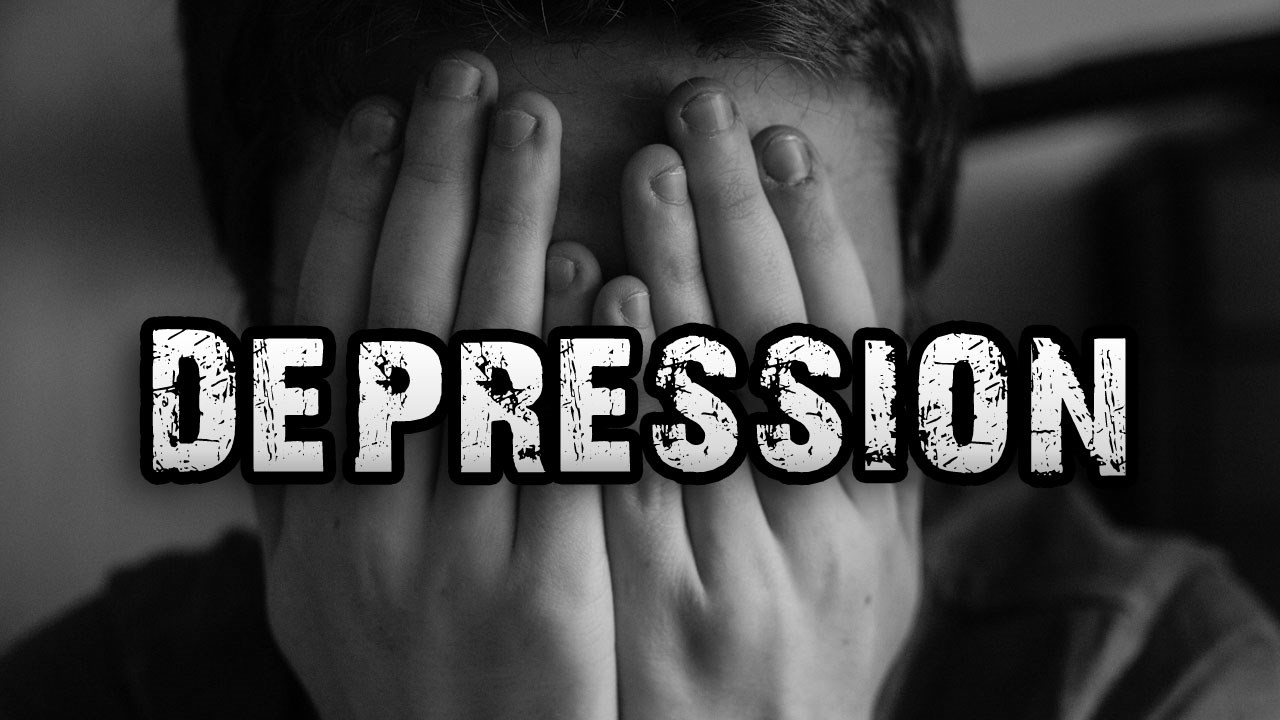
Recognizing Depression symptoms and taking early action is essential for recovery and long-term mental health. Depression is a pervasive mental health disorder that affects mood, cognition, behavior, and physical health. It can significantly impact personal relationships, work performance, and overall quality of life. Understanding the symptoms, acknowledging their impact, and taking proactive steps toward healing empowers individuals to regain control, seek professional care, and develop sustainable coping strategies.
Understanding Depression
Depression is more than temporary sadness or stress. It is a mood disorder that can persist for weeks, months, or even years if left untreated. Depression affects emotional regulation, cognitive processes, physical well-being, and behavior, making it a multidimensional condition that requires a comprehensive approach to treatment.
Causes of Depression
Depression arises from a combination of biological, psychological, and environmental factors:
- Genetic predisposition: Individuals with a family history of depression are at increased risk.
- Neurochemical imbalances: Dysregulation of serotonin, dopamine, and norepinephrine impacts mood stability.
- Chronic stress: Long-term stress from work, relationships, or financial issues can trigger depressive episodes.
- Trauma: Past emotional trauma or adverse life events can contribute to depression.
- Medical conditions: Chronic illnesses, hormonal changes, or neurological disorders may influence mood regulation.
- Substance misuse: Alcohol and drugs can exacerbate depressive symptoms.
Awareness of these causes helps individuals understand that depression is a medical condition, not a personal weakness.
Types of Depression
Depression can manifest in different forms, each affecting healing approaches:
- Major depressive disorder (MDD): Severe, persistent symptoms that significantly impair daily life.
- Persistent depressive disorder (dysthymia): Chronic, milder symptoms lasting at least two years.
- Seasonal affective disorder (SAD): Depression linked to seasonal changes, typically in winter.
- Postpartum depression: Occurs after childbirth, impacting emotional health and maternal functioning.
- Situational depression: Triggered by specific life events, such as loss, trauma, or significant change.
Recognizing Depression Symptoms
Early recognition of depression symptoms is vital for effective intervention and long-term healing.
Emotional Symptoms
- Persistent sadness: Ongoing low mood that does not improve with positive experiences.
- Irritability: Heightened frustration or anger over minor events.
- Loss of interest: Inability to enjoy previously pleasurable activities, known as anhedonia.
- Feelings of worthlessness or guilt: Excessive self-blame or low self-esteem.
- Anxiety and emotional tension: Co-occurring anxiety can increase emotional distress.
Physical Symptoms
- Fatigue and low energy: Persistent tiredness that interferes with daily activities.
- Sleep disturbances: Insomnia, hypersomnia, or irregular sleep patterns.
- Changes in appetite: Overeating or reduced interest in food, leading to weight changes.
- Somatic complaints: Unexplained physical pain, including headaches or digestive issues.
Cognitive Symptoms
- Difficulty concentrating: Impaired focus on tasks and problem-solving.
- Negative thought patterns: Persistent pessimism and rumination.
- Indecisiveness: Struggle to make even minor decisions.
- Memory impairments: Forgetfulness affecting work, school, or personal responsibilities.
Behavioral Symptoms
- Social withdrawal: Avoidance of social interactions and activities.
- Reduced productivity: Procrastination and neglect of responsibilities.
- Risky or impulsive behavior: Substance misuse or other self-destructive activities.
- Neglect of daily routines: Disruption of self-care, hygiene, and meal routines.
First Steps Toward Healing
Taking initial steps toward recovery is crucial for managing depression effectively.
Acknowledge the Problem
Recognition is the first and most important step. Accepting that depression is a medical condition and not a personal failing empowers individuals to seek help.
Seek Professional Support
Professional help is critical for effective treatment:
- Therapy: Cognitive-behavioral therapy (CBT), interpersonal therapy (IPT), and other modalities address emotional, cognitive, and behavioral symptoms.
- Medication: Antidepressants can correct neurochemical imbalances and alleviate symptoms.
- Support groups: Peer support fosters connection, validation, and shared coping strategies.

Develop a Support System
Family, friends, and peers play a crucial role in healing:
- Provide emotional support and encouragement
- Help maintain routines and daily responsibilities
- Validate experiences and reduce feelings of isolation
Establish a Routine
Structured daily routines help regain stability:
- Consistent sleep and wake cycles
- Regular meals and balanced nutrition
- Scheduled time for work, personal tasks, and self-care
- Incorporating enjoyable or meaningful activities into daily life
Practice Self-Care
Self-care strategies complement professional treatment and foster resilience:
- Engage in physical exercise to boost mood and energy
- Practice mindfulness, meditation, or relaxation techniques
- Maintain a healthy diet to support emotional and physical health
- Prioritize activities that promote relaxation and positive emotions
Track Symptoms and Progress
Monitoring mood, energy, sleep patterns, and triggers helps identify patterns and informs treatment adjustments. Journaling or using mental health apps can provide valuable insights.
Set Achievable Goals
Breaking down larger goals into smaller, manageable steps fosters motivation and accomplishment. Gradual progress helps combat feelings of hopelessness and builds confidence.
Coping Strategies for Daily Life
Effective coping strategies improve resilience and overall well-being while managing depression symptoms.
Stress Management
- Identify and minimize stress triggers
- Practice deep breathing, yoga, or relaxation exercises
- Allocate time for hobbies and activities that bring joy
Mindfulness and Meditation
Mindfulness and meditation help individuals:
- Regulate emotions
- Reduce rumination
- Increase self-awareness and acceptance
Social Engagement
Maintaining connections with supportive friends and family:
- Reduces isolation
- Provides emotional validation
- Encourages positive engagement in daily activities
Limiting Substance Use
Avoiding alcohol, drugs, and other substances prevents worsening depressive symptoms and promotes mental clarity.
Creative Expression
Engaging in art, writing, or music provides emotional release and enhances mood regulation.
Long-Term Healing and Maintenance
Sustainable recovery requires ongoing attention and proactive strategies.
Ongoing Therapy
Continuing therapy after initial treatment prevents relapse and strengthens coping skills.
Lifestyle Modifications
- Regular physical activity
- Balanced nutrition
- Adequate sleep
- Stress management techniques
Support Networks
Maintaining supportive relationships and participating in peer support groups encourages accountability and emotional resilience.
Awareness and Education
Understanding depression and recognizing early warning signs helps individuals prevent recurrence and seek timely help if symptoms re-emerge.
Self-Compassion
Practicing self-compassion reduces self-criticism and fosters a positive mindset, enhancing recovery and emotional resilience.
Reducing Stigma Around Depression
Creating awareness and understanding of depression is critical for fostering supportive environments:
- Open discussions in workplaces, communities, and families
- Mental health education campaigns
- Encouraging empathy and understanding
- Providing access to resources and professional support
Reducing stigma empowers individuals to seek help early and promotes long-term mental wellness.
Conclusion
Recognizing depression symptoms and taking the first steps toward healing are essential for recovery and long-term well-being. Depression affects emotional, cognitive, behavioral, and physical functioning, often impairing daily life. Early recognition, professional intervention, self-care, structured routines, supportive networks, and proactive coping strategies collectively enhance recovery outcomes. Awareness, empathy, and sustained engagement are key to supporting individuals living with depression and fostering a stigma-free environment that encourages mental health and resilience. Looking for something specific? You’ll find it faster on our homepage.
FAQs
What is the first step in healing from depression?
The first step is acknowledging that depression is a medical condition and seeking professional support through therapy, medication, or a combination of both. Recognizing symptoms early allows for timely intervention and improved recovery.
How can self-care support recovery from depression?
Self-care practices, including exercise, mindfulness, balanced nutrition, adequate sleep, and engaging in meaningful activities, complement professional treatment, improve mood, and build resilience.
When should I seek immediate help for depression?
Seek immediate help if depression symptoms include thoughts of self-harm, suicidal ideation, severe hopelessness, or inability to manage daily responsibilities. Prompt professional intervention is critical for safety and effective treatment.