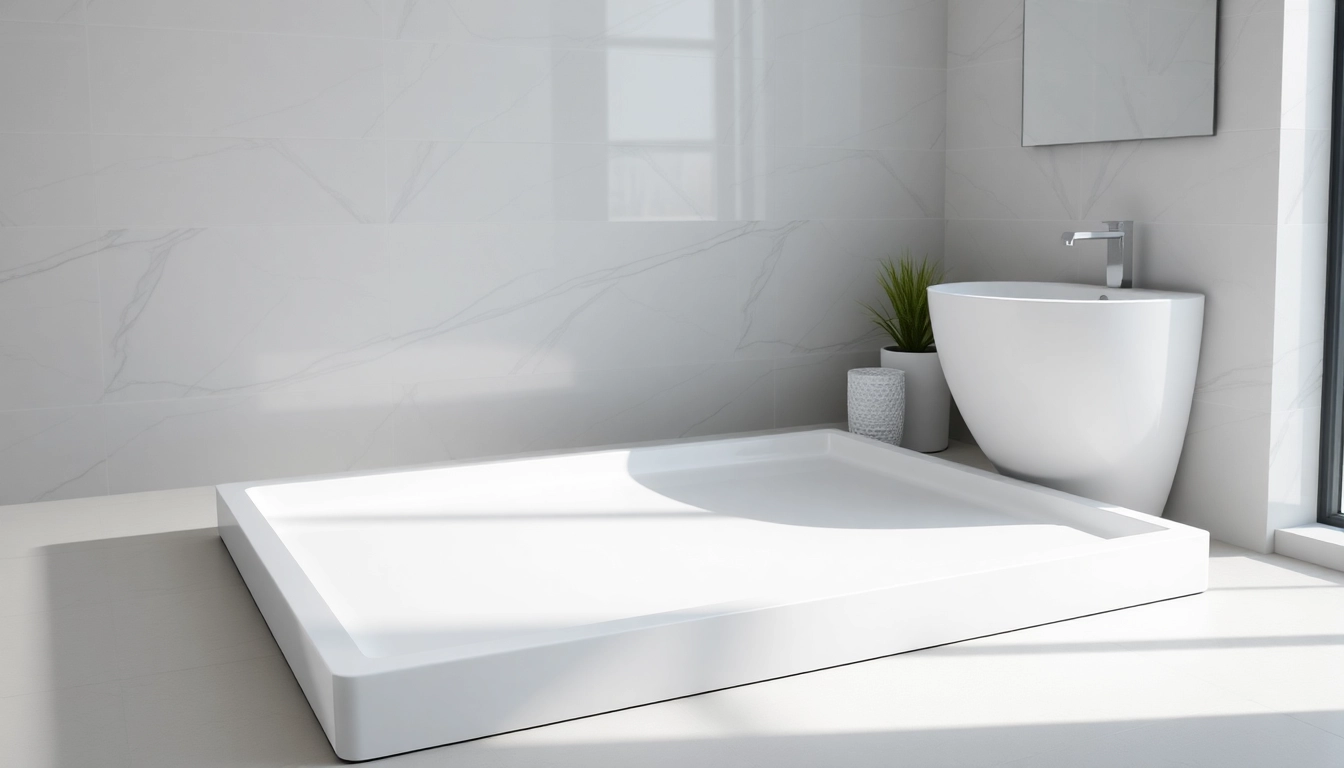
Understanding the Importance of a Shower Base
The shower base serves as the foundation for any shower installation, providing both functional and aesthetic value. A well-designed shower base can enhance the overall attractiveness of your bathroom while preventing water damage and maintaining cleanliness. When considering bathroom renovations or new installations, selecting the right shower base is a crucial step that impacts durability and style.
What is a Shower Base?
A shower base, also known as a shower pan, is a waterproof platform that sits at the bottom of the shower enclosure. This component is designed to collect and channel water into the drainage system, keeping your bathroom dry and reducing the risk of mold and mildew. Available in various sizes, shapes, and materials, shower bases cater to different styles and user preferences. Understanding the function and significance of a shower base is essential for anyone looking to create a functional and stylish bathroom space.
Key Benefits of a Quality Shower Base
- Waterproofing: A high-quality shower base ensures that water flows efficiently into drainage systems, preventing leaks that can lead to water damage.
- Ease of Maintenance: Durable materials resist mold and grime build-up, making cleaning more manageable and maintaining hygiene.
- Enhanced Safety: A non-slip shower base offers added safety compared to standard flooring options, reducing the risk of slipping.
- Design Versatility: With various styles available, a shower base can complement any bathroom décor seamlessly.
- Improved Aesthetics: A quality shower base enhances the overall look of your bathroom, making it more inviting.
Choosing Materials for Your Shower Base
Materials play a significant role in the performance and longevity of a shower base. Common materials include acrylic, fiberglass, ceramic tile, and natural stones. When selecting materials, consider factors such as durability, ease of installation, and maintenance. For instance, acrylic and fiberglass are lightweight and easy to install but may not offer the same aesthetic appeal as ceramic or natural stone. On the other hand, while stone bases bring a luxurious feel, they may require more upkeep to maintain their appearance.
Types of Shower Bases: A Comparative Overview
Understanding the different types of shower bases available is essential in making an informed purchase. Each type has unique characteristics and suitability for various bathrooms.
Common Materials Used in Shower Bases
- Acrylic: Resistant to staining and easy to clean, acrylic shower bases are among the most popular choices.
- Fiberglass: Lightweight and budget-friendly, fiberglass bases are durable and come in various styles.
- Ceramic Tile: Offers extensive design flexibility, tile bases can create customized looks but require grout maintenance.
- Natural Stone: Stones like marble or granite add a sophisticated touch but demand more care and sealing.
Different Styles of Shower Bases
Shower bases come in various styles, including square, rectangular, and neo-angle designs. Square bases are great for smaller areas, while rectangular options suit larger spaces. Neo-angle bases are perfect for corner installations, optimizing space in compact bathrooms. The right style depends on your bathroom layout, personal preferences, and available space.
Durability and Maintenance Considerations
Long-term performance hinges on the durability of your shower base material. Acrylic and fiberglass tend to be the most resilient against chips and cracks, while proper care of tile or stone can ensure longevity. Regular cleaning using appropriate products prevents build-up and extends the lifespan of your shower base, ensuring it remains an integral part of your bathroom for years to come.
How to Choose the Right Shower Base for Your Bathroom
Selecting a shower base involves several considerations, all of which can impact comfort, functionality, and style. Here are some factors you should consider to ensure a perfect match for your bathroom.
Factors to Consider Before Purchase
- Size: Measure your available space carefully to ensure a proper fit.
- Budget: Set a budget beforehand, so you explore options that meet your financial expectations.
- Style Preferences: Choose a design that aligns with the overall theme of your bathroom.
- Drain Location: Ensure the shower base you select has a compatible drain location that matches your plumbing.
Understanding Shower Base Sizes
Shower bases come in various sizes, typically ranging from 30” x 30” to 60” x 30”. The size you choose should not only fit your bathroom layout but also accommodate your preferences for comfort while showering. Larger sizes can offer a more luxurious experience, while compact bases are perfect for smaller spaces.
Matching Your Shower Base with Overall Bathroom Design
Your shower base should harmonize with your existing fixtures, tiles, and overall decor. Consider color, texture, and design elements that complement your bathroom ambiance. For instance, a sleek acrylic base can elevate a modern bathroom, while a natural stone base might fit better in a rustic setting.
Installation Processes for Shower Bases
Installing a shower base can be a straightforward DIY project for many homeowners, but knowing when to call a professional is just as important. Below is a comprehensive guide to shower base installation.
DIY vs. Professional Installation
Choosing between DIY installation and hiring a professional can depend on your skill level, confidence, and the complexity of the installation. DIY installation can save money and offer a sense of achievement, but for plumbing and waterproofing tasks, hiring a professional may ensure the job meets all necessary codes and standards, particularly in more complex layouts.
Essential Tools and Materials Needed
- Shower base
- Level
- Drill and drill bits
- Adhesive and sealant
- Screwdriver
- Measuring tape
Steps for Proper Installation of a Shower Base
- Prepare the subfloor to ensure it is level and clean.
- Position the base and ensure it is properly aligned with the drain.
- Apply adhesive as per the manufacturer's instructions.
- Install the drain according to plumbing codes.
- Secure the base with screws if required, and check for level.
- Seal all edges with waterproof sealant to prevent leaks.
- Allow the installation to cure according to product guidelines before using it.
Common Issues and Troubleshooting Shower Bases
Despite careful selection and installation, issues may occasionally arise with your shower base. Here’s how to troubleshoot some common problems.
Identifying Cracks and Damage
Regular inspections can help identify cracks or other forms of damage early. Look for visible signs, such as water pooling around the base, which may indicate improper sealing or structural issues.
Repairing Your Shower Base: A Step-by-step Guide
To repair minor cracks in an acrylic or fiberglass shower base, clean the area, apply a patching compound specifically designed for the material, and sand the surface once it drys to achieve a smooth finish. For tile or stone bases, re-grouting may be required if tiles come loose or cracks appear in the grout.
When to Replace Your Shower Base
If degradation affects your shower base's integrity, it's time for a replacement. Signs include persistent leaks, widespread cracks, or deterioration that continues despite repairs. Investing in a new shower base can prevent further water damage and enhance your bathroom's overall aesthetics.
FAQs About Shower Bases
1. What should I look for in a shower base?
Look for waterproof materials, durability, and compatibility with your drain layout. Ensure the size fits your space and matches your bathroom’s design.
2. Can I install a shower base myself?
Yes, if you have experience with plumbing and tiling. However, complex installations may require a professional for proper waterproofing.
3. How do I maintain my shower base?
Regularly clean it with mild cleaners and maintain sealing. Inspect for cracks and address issues promptly to ensure longevity.
4. Are shower bases customizable?
Yes, some shower bases can be customized in size and color. Consider bespoke options if standard sizes don't meet your needs.
5. How often should I replace my shower base?
Typically, shower bases last 10-15 years. However, replace them sooner if you notice significant damage or persistent leaks.