
Choosing the Right New York City General Contractor for Your Project
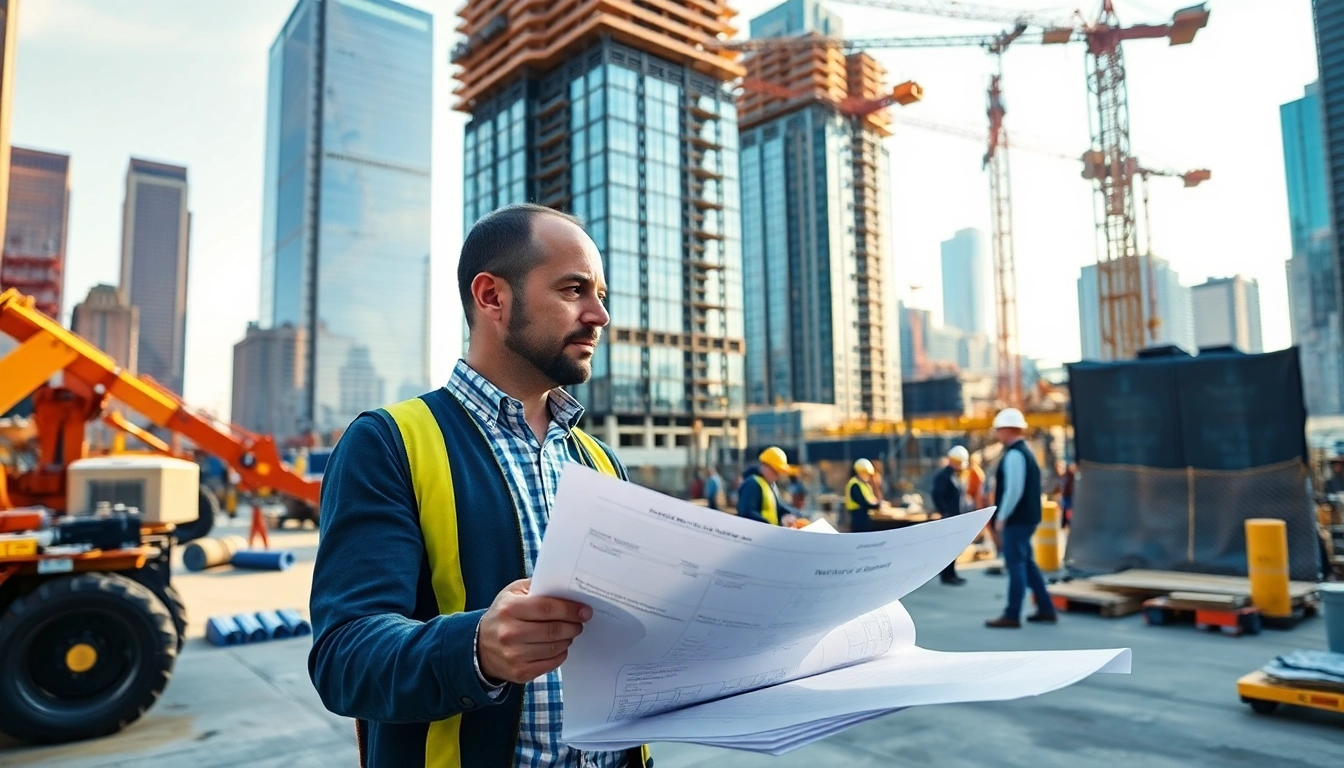
- Understanding the Role of a New York City General Contractor
- Evaluating Potential New York City General Contractors
- Common Challenges with New York City General Contractors
- Best Practices for Working with a New York City General Contractor
- Measuring the Success of Your New York City General Contractor
- Frequently Asked Questions
Understanding the Role of a New York City General Contractor
In any construction or renovation project, the general contractor plays a crucial role that encompasses various responsibilities, from managing the entire project to ensuring quality workmanship. When you’re preparing to undertake a project in the vibrant landscape of New York City, understanding the role of a New York City General Contractor is essential. They are the linchpin that connects the different aspects of a project, making sure everything runs smoothly.
What Does a New York City General Contractor Do?
A New York City general contractor acts as the primary point of contact for all stakeholders involved in a construction project. Their main duties include coordinating between subcontractors, suppliers, and clients, as well as ensuring adherence to building codes, safety regulations, and the overall project timeline. This coordination is particularly vital in bustling urban settings where logistics can be challenging.
Key Responsibilities of a New York City General Contractor
The responsibilities of a general contractor in New York City are extensive and can vary based on the specific project requirements. Some key responsibilities include:
- Project Management: Overseeing the entire project, from pre-construction planning to completion.
- Budgeting: Creating and managing project budgets, ensuring projects do not exceed financial limits.
- Permits and Licensing: Securing the necessary permits and ensuring all work complies with city regulations.
- Scheduling: Establishing a project timeline and coordinating work schedules among various contractors and subcontractors.
- Quality Control: Ensuring that all work meets specific standards and building codes.
- Communication: Keeping all parties informed about project milestones and changes to ensure clarity throughout the project lifecycle.
Why Hire a New York City General Contractor?
Hiring a general contractor in New York City brings several advantages, especially considering the complexities and unique challenges of construction in an urban environment. Below are some compelling reasons:
- Expert Knowledge: General contractors possess extensive knowledge of local building codes and regulations, which can help avoid costly mistakes.
- Network of Subcontractors: They have established relationships with trusted subcontractors and suppliers, ensuring you receive quality work and materials.
- Time Management: They help save time by managing the project, allowing you to focus on other priorities.
- Risk Mitigation: By hiring a professional, you can limit your exposure to risks associated with construction projects.
- Financial Management: They help control costs and ensure that the project stays within budget.
Evaluating Potential New York City General Contractors
Once you’ve decided to hire a general contractor, the next crucial step is to evaluate potential candidates thoroughly. It’s vital to ensure that the contractor you choose is the right fit for your specific project.
Essential Qualifications to Look For
Before making a decision, consider the following qualifications when evaluating potential contractors:
- Experience: Look for a contractor with extensive experience in the type of project you’re undertaking, be it residential or commercial.
- Licensing and Insurance: Ensure they are properly licensed to operate in New York City and have adequate insurance coverage for liability and worker’s compensation.
- References: Ask for and check references from previous clients to gauge their satisfaction and the quality of work.
- Portfolio: Review their portfolio of completed projects to assess their workmanship and style.
- Communication Skills: A good contractor should demonstrate excellent communication skills and be responsive to your queries.
Interviewing New York City General Contractors Effectively
The interview process is one of the most critical steps in selecting a general contractor. Here are some effective techniques for interviewing:
- Ask Pointed Questions: Inquire about their experience with similar projects, project timelines, and how they handle issues that arise.
- Discuss Payment Structure: Understand how they bill for their services, including upfront costs, milestone payments, and final payments.
- Clarify Responsibilities: Ask who will be responsible for various aspects of the project, including procurement and quality control.
- Gauge Compatibility: Evaluate how comfortable you feel discussing your ideas and concerns with the contractor. A positive working relationship is essential.
Understanding Pricing and Estimates
Understanding how pricing works is critical. General contractors in New York City may use varying methods to estimate costs:
- Fixed Price: A set price for the entire project, which can include material and labor costs.
- Time and Material: Costs are based on the time spent and materials used, suitable for projects with uncertain final costs.
- Cost Plus: The contractor charges for the actual costs incurred plus an additional fee or percent, allowing for transparency but requiring careful oversight.
Common Challenges with New York City General Contractors
Despite the many benefits, working with a general contractor can present hurdles. Being aware of these challenges can help you prepare and strategize effectively.
Managing Expectations and Timelines
It’s essential to set and manage realistic expectations regarding timelines and outcomes. Miscommunication can lead to misunderstandings, so both parties should align on the project scope, deadlines, and any potential risks that may arise.
Handling Project Delays and Budget Overruns
Delays and budget overruns are quite common in construction projects. Here are some strategies to handle these issues:
- Proactive Planning: Establish contingency plans for potential delays and budget changes during the pre-construction phase.
- Regular Check-Ins: Schedule regular meetings to review project status, timelines, and budgets to identify issues early.
- Transparent Communication: Ensure an open line of communication with the contractor to discuss any financial or scheduling concerns.
Communication and Collaboration Issues
Collaboration and clear communication are vital for the success of any construction project. Misunderstandings can lead to errors and inefficiencies. Here’s how to enhance communication:
- Use Project Management Tools: Employ software that facilitates real-time communication and document sharing between all parties involved.
- Establish Regular Updates: Daily or weekly updates can ensure everyone is on the same page and can help preempt potential problems.
- Feedback Loops: Create mechanisms for providing and receiving feedback throughout the project’s lifecycle.
Best Practices for Working with a New York City General Contractor
When you engage a general contractor, applying best practices can lead to a more successful project outcome. Below are some actionable guidelines:
Setting Clear Contracts and Agreements
Your contract should outline every aspect of the project, including timelines, payment structures, deliverables, and the scope of work. A well-defined contract minimizes disputes and clarifies the expectations for all parties involved.
Regular Check-ins and Progress Updates
Holding regular check-ins helps keep the project on track and allows for timely discussions regarding challenges or adjustments that need to be made. Clear updates foster collaboration and a sense of accountability among all parties.
Creating a Positive Working Relationship
A collaborative spirit can significantly impact the success of the project. Here are ways to foster a positive relationship:
- Show Appreciation: Acknowledge good work and express gratitude for the contractor’s efforts, helping to build trust.
- Involve the Contractor Early: Engage the contractor early in the planning stages to gather their insights, fostering a sense of ownership in the project.
- Be Understanding: Construction can be unpredictable. Being flexible and understanding can help maintain a good working relationship during challenging times.
Measuring the Success of Your New York City General Contractor
After the project is completed, it’s crucial to assess its success and the contractor’s performance. This evaluation will assist in future planning and potential collaborations.
Defining Success Metrics and Goals
Before starting the project, define what success looks like for you. Common metrics include adherence to timeline, budget, quality of work, and communication effectiveness. Measuring these aspects helps in evaluating the overall contractor performance.
Post-Project Evaluation and Feedback
Conducting a post-project evaluation helps provide constructive feedback, thereby improving the contractor’s process for future projects. Discuss both strengths and areas needing improvement to enhance further collaborations.
Future Collaborations with Your Contractor
Should the project be successful, consider maintaining a relationship with your contractor for future projects. Having a trusted partner can streamline processes and enhance performance in your future endeavors.
Frequently Asked Questions
1. What is a New York City general contractor responsible for?
A New York City general contractor is responsible for overseeing the entire construction project, managing subcontractors, ensuring compliance with regulations, and controlling budgets and timelines.
2. How do I choose the right general contractor?
Choose a general contractor by evaluating their experience, checking references, ensuring they have necessary licenses and insurance, and gauging their communication skills during the interview process.
3. What are common pitfalls in working with general contractors?
Common pitfalls include miscommunication, unrealistic expectations regarding timelines and budget, and not having a clearly defined contract.
4. How can I avoid budget overruns during my project?
To avoid budget overruns, clearly define the budget during initial discussions, conduct regular check-ins, and include contingency plans for unforeseen expenses.
5. What should I include in the contract with my contractor?
Your contract should include project scope, timelines, payment terms, responsibilities, and procedures for handling changes to the project. Clear contracts reduce potential disputes.