
Find the Best Back Loofah for Dry Skin: Your Guide to Smooth Skin
Understanding the Importance of Using a Back Loofah for Dry Skin
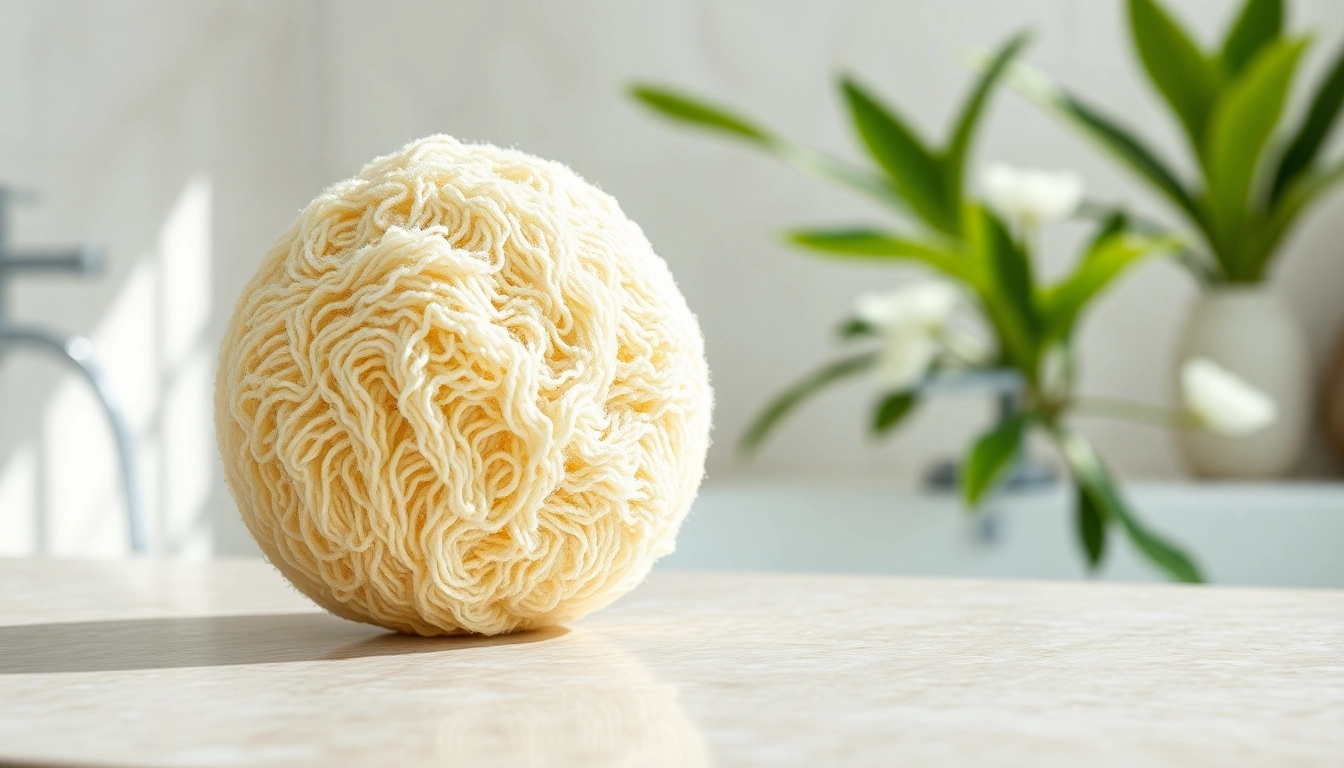
Having dry skin can be uncomfortable and frustrating. Many struggle with flakiness, itchiness, and overall uneven texture. Incorporating an effective exfoliation method into your skincare routine is essential for alleviating these symptoms. This is where the best back loofah for dry skin comes into play. A back loofah offers a convenient solution for reaching areas on your back that are often neglected, promoting smoother and healthier skin.
What is a Loofah and How Does It Work?
A loofah, traditionally derived from the fibrous interior of the loofah gourd, serves as a natural exfoliating tool. When dried, it transforms into a sponge-like texture, ideal for buffing away dead skin cells. There are also synthetic loofahs available, made from materials like nylon, which can provide similar benefits. The primary mechanism of a loofah is physical exfoliation; its textured surface sloughs off dead skin, revealing the fresh skin underneath. This process not only smooths the skin but also enhances the efficacy of moisturizing products applied afterward.
Benefits of Back Exfoliation for Dry Skin
Exfoliating the skin provides several critical benefits for individuals with dryness, particularly on hard-to-reach areas like the back. Firstly, it helps remove dead skin cells that can lead to dullness and uneven texture. Secondly, regular back exfoliation enhances circulation, promoting skin renewal and healthier skin overall. Thirdly, it allows for better absorption of moisturizers, ensuring that hydrating products can penetrate deeper into the skin layer. Lastly, exfoliating your back can prevent the buildup of body acne, which often occurs due to clogged pores from dead skin and oil.
When to Use a Loofah for Optimal Results
To achieve the best results, timing and technique are key. Using a loofah too often can irritate the skin, while infrequent usage may limit its effectiveness. Most experts recommend using a loofah 1-2 times per week. Incorporating loofah usage into your shower routine, preferably after the skin has softened—either through warm water or steam—can also enhance exfoliation results. Additionally, consider using a body wash with exfoliating properties to maximize benefits.
Features to Look for in the Best Back Loofah for Dry Skin
Material Matters: Natural vs. Synthetic Loofahs
The material of your loofah can greatly influence your skin’s health. Natural loofahs offer an organic option, less likely to cause irritation, while synthetic options may provide more durability and easier cleaning. For dry skin, natural loofahs may be preferable, as they’re generally softer and promote gentle exfoliation. However, those with specific skin conditions should consider their personal sensitivities and preferences when making a choice.
Size and Handle Length for Ease of Use
When purchasing a back loofah, size matters significantly. A larger loofah can cover more surface area, facilitating easier exfoliation of the back. Moreover, a long handle is essential for reaching the middle and lower parts of the back. Opt for loofahs with ergonomic designs or grips that enhance maneuverability and ease of use.
Texture Choices: Which is Best for Your Skin?
Loofahs come in various textures, impacting how gentle or abrasive they are on the skin. A softer texture is ideal for sensitive or dry skin, as it minimizes irritation while still providing effective exfoliation. Conversely, if your skin can tolerate it, a firmer texture could be used less frequently for a deeper exfoliation on tougher areas. It’s advisable to assess your skin condition and choose accordingly.
How to Properly Use a Back Loofah on Dry Skin
Preparation: Exfoliation Timing and Techniques
Preparation plays a crucial role in the effectiveness of a back loofah. Begin your shower routine by applying warm water to your back for a few minutes to help soften the skin. During this time, you can also apply a gentle exfoliating or moisturizing body wash. The aim is to elevate the skin’s readiness for exfoliation by loosening dead skin and allowing easier removal with the loofah.
Step-by-Step Guide to Using a Loofah Safely
- Wet your back thoroughly with warm water.
- Apply a gentle cleanser or exfoliating body wash directly to the loofah.
- Starting from the lower back and moving upward, use gentle, circular motions to exfoliate.
- Work your way up and down your back, ensuring you reach all areas.
- Rinse your back thoroughly to remove any leftover cleanser or exfoliated skin.
- Follow up with a hydrating moisturizer while your skin is still damp to lock in moisture.
Post-Use Care for Your Skin
After using a loofah, it’s essential to care for your skin properly. Shower with cool water to help close and soothe the pores. Subsequently, apply a quality moisturizer, focusing primarily on areas that tend to get dry. Look for products containing hydrating ingredients like hyaluronic acid, glycerin, or natural oils to support skin barrier function and enhance hydration.
Maintenance Tips for Longevity of Your Back Loofah
Cleaning and Drying Best Practices
Maintaining your back loofah is crucial for both hygiene and its effectiveness. After each use, rinse your loofah thoroughly and allow it to dry in a well-ventilated area, preferably hanging. Avoid enclosed storage or areas with excess moisture, which can promote the growth of bacteria and mold. If you notice strong odors or discoloration, it’s a sign that your loofah needs more frequent cleaning or replacement.
How Often Should You Replace Your Loofah?
Regularly replacing your loofah is fundamental to maintaining skin health. Natural loofahs should generally be replaced every 3 to 4 weeks. In contrast, synthetic loofahs may last up to two months. Keeping track of usage can help prevent buildup of dead skin and bacteria, which could exacerbate dry skin issues or lead to infections.
Signs You Need to Replace Your Back Loofah
Be observant of your back loofah’s condition. Frayed edges, a change in texture, persistent odors, or visible mold are clear indicators that it’s time for a replacement. Additionally, if you notice increased irritation or discomfort while using your loofah, it may be worth exploring a new one as sensitivities can change over time.
Frequently Asked Questions About Back Loofahs and Dry Skin
What is the best material for a back loofah?
The best material is typically natural loofah due to its gentleness on the skin and effective exfoliation properties. However, synthetic options also work well, depending on personal skin sensitivity.
Can a loofah worsen dry skin conditions?
In some cases, excessive or aggressive use of a loofah may aggravate dry skin conditions. It’s essential to use gentle techniques and avoid over-exfoliation, typically keeping it to 1-2 times a week.
How can I make my loofah last longer?
To extend the life of your loofah, rinse it thoroughly after each use and allow it to dry in a well-ventilated space. Regular cleaning and avoiding moldy environments also help.
Are there alternatives to loofahs for back exfoliation?
Yes, alternatives include exfoliating gloves, back scrubbers, or just using a washcloth. Such options can provide effective exfoliation while accommodating varying preferences.
How often should I use a loofah on dry skin?
Experts recommend using a loofah on dry skin 1-2 times a week. This frequency helps balance exfoliation and skin recovery to maintain optimal skin health.