
Understanding the Importance of a Typing Center
What is a Typing Center?
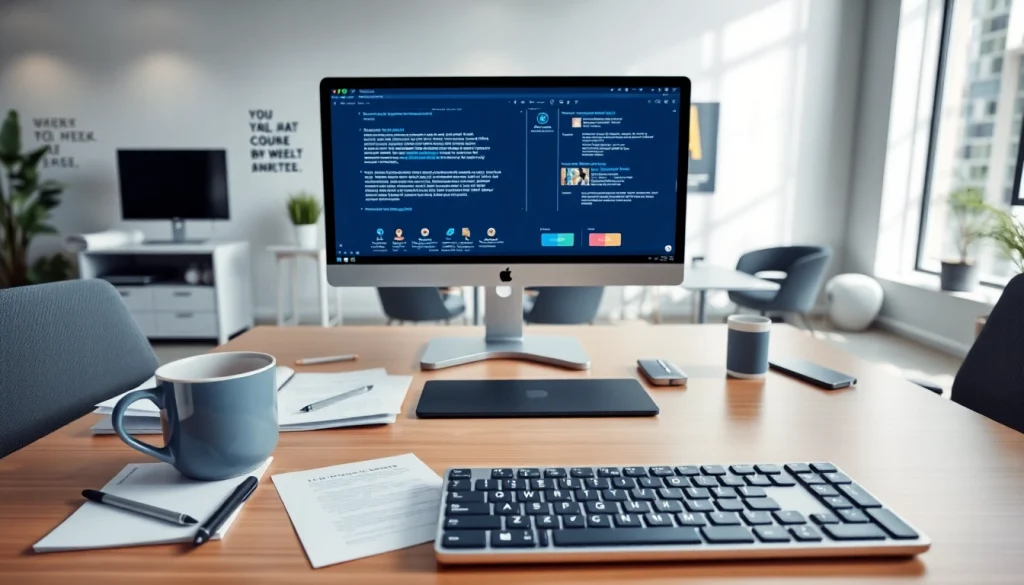
A typing center is a dedicated facility that offers professional typing services to individuals and businesses alike. Equipped with the latest technology and staffed by skilled typists, these centers enhance document processing efficiency. In an age where speed and accuracy are paramount, a typing center provides an essential resource for those needing reliable typing services. Whether it’s transcribing audio files, formatting academic papers, or producing business documents, a typing center caters to various client needs, establishing itself as a valuable asset in today’s fast-paced work environment. For those seeking enhanced efficiency in their document processing workflows, a typing center stands out as a premier solution.
Benefits of Using a Typing Center
Using a typing center offers numerous advantages, particularly in enhancing productivity and ensuring quality. One significant benefit is the ability to access professional typists who possess expertise in grammar, punctuation, and formatting. This leads to error-free documents that meet professional standards. Additionally, businesses can save time by outsourcing typing tasks instead of allocating valuable in-house resources, thereby allowing employees to focus on core activities that drive profitability.
Another advantage is the use of specialized software and tools that improve typing speed and accuracy. Many typing centers employ advanced technology that automates the tedious aspects of document formatting, saving time and reducing the potential for human error. For individuals, particularly students or freelancers, utilizing a typing center can alleviate the stress associated with tight deadlines and heavy workloads.
Who Can Benefit from a Typing Center?
A wide range of individuals and organizations can benefit from the services provided by a typing center. Students who require help with assignments, dissertations, or research papers can greatly improve their academic performance by leveraging professional typing services. Freelancers, particularly writers, editors, and virtual assistants, find typing centers valuable for managing extensive typing tasks efficiently.
Additionally, businesses of all sizes use typing centers to streamline their operations. From legal firms needing transcription services to healthcare institutions requiring accurate patient documentation, the versatility of a typing center makes it a critical partner across various industries. Even personal users can utilize typing services for resumes, cover letters, and personal projects, making a typing center accessible to nearly anyone in need of professional typing assistance.
Essential Tools and Equipment for Your Typing Center
Must-Have Software for Typing Tasks
Having the right software is crucial for any typing center aiming to deliver quality services efficiently. Standard word processing programs, such as Microsoft Word and Google Docs, form the backbone of most typing tasks. However, advanced typing centers often incorporate specialized software for specific needs. For example, transcription software with built-in playback features can significantly enhance accuracy when dealing with audio files.
For businesses that require handling sensitive data, utilizing software with encrypted storage capabilities ensures client confidentiality. Furthermore, project management tools can help organize tasks, streamline processes, and manage deadlines, putting typing centers at the forefront of client satisfaction through effective workflow management.
Choosing the Right Hardware
The hardware used in a typing center can significantly affect productivity and the quality of output. High-performance computers equipped with quick processing units and ample memory are essential. These machines should have reliable internet connectivity to access various online resources or tools. Additionally, a traditional keyboard and a comfortable mouse are still the most effective tools for typing tasks.
However, considering ergonomics, investing in ergonomic keyboards, adjustable chairs, and desk setups for optimal posture can enhance typing comfort. This is vital in reducing fatigue and improving overall typing productivity. When your team is comfortable, they can work more efficiently and sustain longer working hours without discomfort.
Ergonomic Considerations in Your Typing Center
Creating an ergonomic workspace is essential in a typing center to maintain the health and productivity of typists. Ergonomics involves designing the workplace to fit the needs of the workers, promoting comfort and reducing the risk of strain injuries. Typists should have adjustable chairs that support their lower back, desks at the right height, and screens positioned to avoid neck strain.
Additionally, regularly incorporating breaks into the workflow can combat the physical toll of prolonged typing sessions. Simple practices such as wrist stretches and eye breaks can significantly enhance focus and efficiency overall. An ergonomic workspace not only boosts productivity but also demonstrates care for employee well-being, fostering a positive work environment.
Improving Typing Speed and Accuracy
Techniques to Enhance Typing Skills
Improving typing speed and accuracy is fundamental for anybody utilizing a typing center, whether they are clients seeking to develop their skills or professional typists. One effective technique is implementing structured practice sessions that focus on proper hand positioning and finger placement. Repetition and consistency are key; using online typing tutorials and games helps reinforce these skills.
Additionally, teaching typists to avoid looking at the keyboard can drastically improve their touch-typing skills. Techniques such as the “home row” method, where fingers rest on the A, S, D, F, and J, K, L, semicolon keys, facilitate faster typing rates as typists learn to trust their muscle memory over visual cues.
Utilizing Typing Tests for Progress Tracking
Regularly employing typing tests is an excellent way to track improvement over time. Typing tests can measure both speed and accuracy, allowing typists to understand where they may need to focus their training efforts. Many online platforms offer free typing tests, which can be easily accessed and utilized for regular practice.
By reviewing performance metrics, typists can set measurable goals and monitor their progress, helping them stay motivated and identify areas for further development. Successful typists often create a routine that incorporates these tests to maintain and improve their skills continuously.
Setting Realistic Speed Goals
Setting achievable typing speed goals is critical for any typist’s development journey. The expectations should be based on current ability levels while aiming for incremental growth. For instance, if someone currently types at 40 words per minute (wpm), setting a goal for 45 wpm over a month may be realistic and attainable.
Celebrating small milestones, such as achieving speed goals or reducing errors during practice sessions, can boost confidence and promote a positive mindset. Additionally, achieving your targets provides insights into the effectiveness of the strategies being employed, guiding typists on areas that need adjustment.
Creating a Productive Environment in Your Typing Center
Organizing Your Workspace for Efficiency
Efficiency in a typing center starts with a well-organized workspace. Every element should have a specific place, ensuring that typists can easily access the tools required for their tasks. Utilizing desk organizers, properly labeling files, and optimizing storage solutions can lead to less clutter and fewer distractions.
Moreover, arranging furniture strategically to promote collaboration and communication can create an environment that fosters teamwork when necessary. Quick access to frequently used resources, combined with a functional layout, can significantly enhance workflow in your typing center or at home during remote typing sessions.
Minimizing Distractions in the Office
A distraction-free environment is paramount for productivity in a typing center. Identifying and addressing potential interruptions, whether they are noise, technology distractions, or even visual clutter, can greatly enhance focus. Implementing noise-canceling headphones or designated quiet hours can help reduce background noise that disrupts concentration.
Additionally, using apps that block distracting websites during working hours encourages practice discipline and mitigates the temptation to deviate from assigned tasks. Creating clear work zones for collaborative activities and individual focus time helps maintain high productivity and minimizes distractions.
Incorporating Breaks to Boost Productivity
The importance of breaks in a typing center cannot be overstated. Regular short breaks help reduce mental fatigue and increase overall productivity. Implementing techniques such as the Pomodoro Technique, where typists work for a set period followed by a brief break, can optimize focus and energy levels.
Encouraging physical movement during breaks, such as standing stretches or short walks, also improves blood circulation and alleviates physical strain associated with prolonged sitting. By incorporating strategic breaks into the daily schedule, typing centers can create a more energetic and productive work environment.
Measuring Success and Optimizing Your Typing Center
Key Performance Indicators for Your Center
To measure the success of a typing center, it is vital to establish clear key performance indicators (KPIs). Metrics such as average typing speed, accuracy rates, turnaround time for completed tasks, and client satisfaction ratings can provide valuable insights. Analyzing these KPIs regularly helps identify trends and areas needing improvement.
Employing a transparent performance evaluation system encourages typists to strive for continual improvement while allowing managers to highlight success and address issues in real time. Through effective monitoring, typing centers can adapt their strategies to enhance service quality and operational efficiency.
Collecting Client Feedback for Improvement
Client feedback is invaluable for the ongoing development of any typing center. Surveys, focus groups, and direct communication channels can help gather insights on client satisfaction and areas for improvement. Establishing an open dialogue invites clients to express their preferences and experiences, leading to personalized service enhancements that can significantly impact client retention.
Utilizing feedback for continuous improvement requires implementing changes based on client suggestions. Regularly reviewing feedback can also help identify patterns that may indicate the need for additional training or resources within the typing center.
Adapting to Evolving Typing Trends
Keeping up with the latest trends in typing services is crucial for any typing center aiming to remain competitive. The increasing reliance on digital formats has introduced new challenges and opportunities, such as the demand for specialized transcription services or the rise of digital collaboration tools. Typing centers must be adaptable and willing to embrace new technologies and methodologies.
Moreover, staying informed about emerging typing practices, particularly among younger generations, enhances a typing center’s ability to meet the diverse needs of clients. Offering services that reflect current typing habits, whether through mobile solutions or AI-driven typing applications, will keep the center relevant and widely used.
FAQs
What defines a typing center?
A typing center is a dedicated space equipped with tools and resources designed to enhance typing efficiency and accuracy, serving various client needs.
How can I improve my typing speed?
To improve typing speed, practice regularly using online typing tests and focus on proper hand positioning and techniques to build muscle memory.
What equipment is essential for a typing center?
Key equipment includes ergonomic keyboards, high-performance computers, reliable software, and efficient workflows tailored to enhance productivity.
Who benefits from using a typing center?
Individuals, freelancers, and businesses looking to streamline their document processing significantly benefit from a typing center’s professional services.
How do I measure success in my typing center?
Success can be measured through key metrics such as average typing speed, accuracy rates, client satisfaction scores, and improvements in overall productivity.