
Understanding Structural Steel Construction
What is Structural Steel Construction?
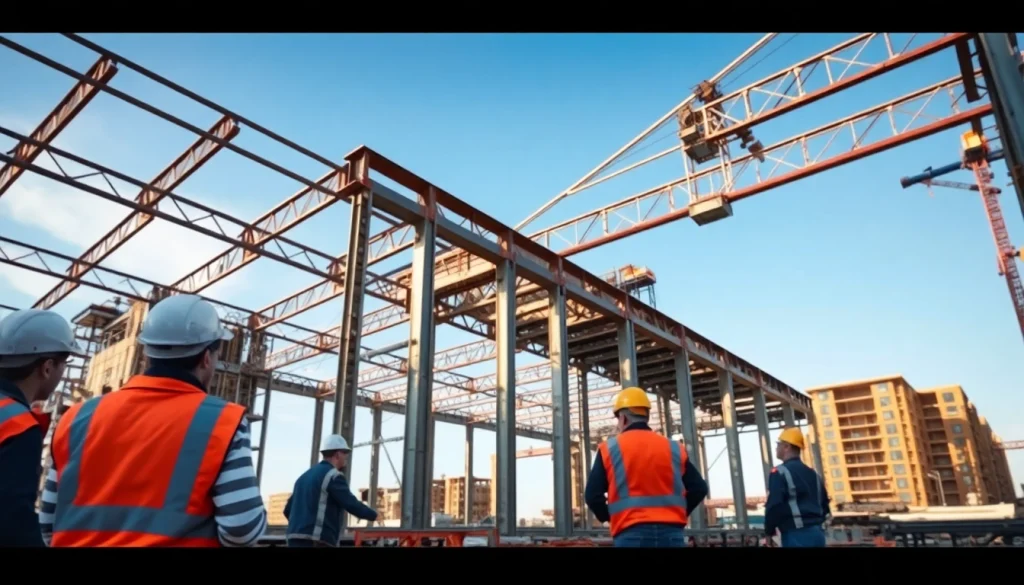
Structural steel construction refers to the use of steel materials in the framework of buildings and other structures. In this context, structural steel provides the necessary support and strength required to uphold the weight of the building itself, its occupants, and any additional loads such as wind or earthquakes. This form of construction utilizes various sections of steel, including beams, columns, and trusses, which work together to distribute stresses and ensure stability.
The adoption of structural steel construction has revolutionized the construction industry, allowing for the creation of taller, more intricate buildings while reducing construction times. This methodology provides architects and engineers with greater flexibility to realize complex designs and innovative architectural forms.
History and Evolution of Structural Steel in Building
The use of steel in construction can be traced back to the late 19th century when the industrial revolution facilitated advancements in metallurgy and manufacturing processes. The first notable use of steel frames emerged with the construction of skyscrapers such as the Home Insurance Building in Chicago, completed in 1885, which is recognized as the first tall building with a steel frame.
As structural steel technology evolved, so did its applications. By the early 20th century, steel became a standard material in building bridges, residential homes, and commercial edifices, showcasing its strength and durability. Notably, the construction of iconic structures like the Empire State Building and the Golden Gate Bridge cemented steel’s role as a primary construction material, leading to the comprehensive building codes that govern its use today.
Key Components of Steel Structures
Steel structures are made up of several key components that each serve specific functions. These include:
- Beams: Horizontal structural elements that carry loads across their span.
- Columns: Vertical elements that support beams and transfer loads to the foundation.
- Trusses: Frameworks of triangular units that distribute loads and reduce material use.
- Braces: Additional supports that provide stability against lateral forces like wind or seismic activity.
- Footings: Foundations that transfer the load of the structure to the ground.
Design Considerations for Structural Steel Buildings
Load-Bearing Requirements
One of the primary considerations in structural steel design is load-bearing capacity. Engineers must calculate the expected loads a structure will hold, including dead loads (permanent/static loads like the weight of the building materials), live loads (temporary/dynamic loads like occupants and furniture), and environmental loads (wind or snow).
Understanding these loading conditions is essential for selecting appropriate steel sizes and configurations. Tools such as structural analysis software aid engineers in simulating loads and determining the necessary structural framework to ensure safety and functionality.
Architectural Aesthetics in Steel Structures
While the primary function of structural steel is to provide strength, it also plays an increasingly important role in the aesthetic design of buildings. Architects leverage the sleek appearance of steel to create visually appealing structures that blend form and function. The use of exposed steel elements can offer a modern, industrial look, while intricate designs in steel framing can embellish a building’s exterior.
Techniques such as CNC cutting and welding allow for custom shapes and designs, providing architects the freedom to explore innovative forms. This creative application contributes to a unique architectural identity and often enhances the overall appeal of a structure.
Environmental Impact Assessments
As sustainability becomes a critical focus in construction, environmental impact assessments (EIAs) are essential in evaluating how structural steel construction affects the environment. EIAs consider resource usage, emissions, waste production, and energy consumption throughout the entire life cycle of a building—from material extraction and manufacturing to transportation, construction, and eventual demolition.
Structural steel is often lauded for its recyclability and longevity, making it a choice material for sustainable building designs. Developing eco-friendly practices in sourcing steel and ensuring responsible end-of-life strategies can mitigate negative environmental impacts and align projects with green building certifications such as LEED.
Benefits of Using Structural Steel in Construction
Durability and Strength Advantages
Structural steel is renowned for its superior strength and durability compared to other building materials. Its high strength-to-weight ratio allows for lighter structures that can support heavy loads without compromising safety. Steel’s inherent resistance to factors such as mold, pests, and rot adds to its longevity, reducing the need for frequent repairs or replacements.
Furthermore, structural steel can withstand extreme weather conditions, such as high winds and heavy snowfall, making it suitable for various geographic locations. Continuous advancements in steel production and treatment processes enhance its resilience, ensuring that modern steel structures can endure for decades.
Cost-Effectiveness Over Time
Although the initial costs of structural steel construction may be higher than other materials, the long-term savings often outweigh the upfront investments. The durability and low maintenance needs of steel lead to considerable cost savings over a building’s lifespan. Additionally, faster construction timelines, owing to the prefabrication of steel components, allow for quicker occupancy and reduced financing costs.
Projects utilizing steel can benefit from streamlined construction processes and higher efficiency limits, reducing labor time and holding costs. A well-planned steel construction project demonstrates a solid return on investment, often making it the preferred choice for many commercial, industrial, and institutional applications.
Speed of Construction and Reduced Labor
The speed at which structural steel can be constructed is a significant advantage in the building process. Steel components can be prefabricated in factories and delivered to the construction site ready for assembly, significantly reducing on-site labor time.
This efficiency is complemented by the ease of installation, as steel structures can be erected quickly, minimizing delays caused by unforeseen weather conditions or logistical challenges. Consequently, project timelines can be shortened, leading to quicker project completion and the ability to meet deadlines more effectively.
Common Challenges in Structural Steel Construction
Project Management and Coordination
Managing a structural steel construction project can present unique challenges, particularly in coordinating the various stages from design through to construction. Communication between architects, engineers, fabricators, and contractors is vital to ensure that all specifications meet the project’s requirements.
Employing project management tools that allow for real-time collaboration and tracking can enhance coordination efforts. Maintaining clear communication regarding design changes, timelines, and budgets fosters a collaborative environment that helps mitigate risks and delays.
Material Supply Chain Issues
The supply chain for structural steel can be susceptible to challenges, particularly regarding raw material availability and fluctuating prices. Global events, trade policies, and market demand can impact material availability and costs.
To mitigate these issues, it is essential for contractors and project managers to establish strong relationships with suppliers and consider alternative procurement strategies, such as local sourcing or establishing contracts that include price stabilization clauses. Strategic planning and flexibility in sourcing can help ensure projects remain on schedule despite external market pressures.
Safety Risks and Mitigation Strategies
Construction sites are inherently risky environments, and structural steel construction poses its unique set of safety challenges. Workers involved in steel erection face hazards like falls, lift failures, and material handling injuries.
Implementing a rigorous safety program that includes comprehensive training, regular safety audits, and the use of personal protective equipment can reduce potential injuries. Additionally, fostering a culture of safety awareness among all team members encourages proactive identification of hazards and encourages reporting of safety concerns.
Best Practices and Innovations in Structural Steel Construction
Modern Techniques Like Modular Steel Construction
Modular steel construction has gained popularity as an innovative approach that enhances efficiency and sustainability. In this method, sections of a building are prefabricated off-site and assembled on-site, allowing for reduced construction time, waste, and labor costs.
Modular construction also supports improved quality control, as components are built in a controlled environment where consistency can be maintained. The flexibility inherent in modular designs allows for adjustments in building layouts and modifications to accommodate evolving client needs.
Utilizing Technology for Better Outcomes
Technology plays a pivotal role in optimizing structural steel construction practices. Building Information Modeling (BIM) is a cutting-edge tool that facilitates dynamic collaboration among all project stakeholders. BIM provides a shared digital representation of the project that can be used for analyzing and optimizing the design before construction begins.
Moreover, advancements in robotics and automation are enhancing processes such as steel fabrication and installation, leading to higher precision and lower labor costs. As technology further develops, its integration into structural steel construction promises to yield significant benefits in efficiency and quality.
Future Trends in Structural Steel Usage
Looking ahead, the future of structural steel construction is characterized by ongoing innovation and sustainability. The increasing demand for environmentally-friendly building practices encourages research into new steel alloys, greater recycling, and repurposing of steel materials in construction.
Furthermore, the advent of smart building technologies, including IoT integration and advanced monitoring systems, will significantly influence design and construction practices. Steel’s versatility allows it to adapt to emerging trends, ensuring that structural steel continues to be a material of choice in modern construction.